Why Choose a Golf Shop for Global Golf Equipment Sourcing?

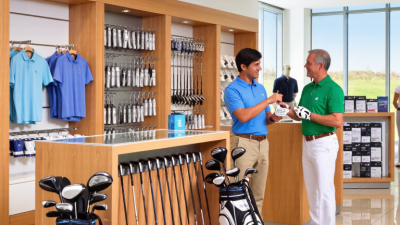
Global golf equipment sourcing is becoming more complex, but the opportunity is substantial. The R&A’s Golf Around the World 2023 report identified 66.6 million golfers across 206 countries. That expanding base needs dependable clubs, balls, bags, footwear, and training technology. A specialized golf shop can connect manufacturers, distributors, fitters, and buyers more efficiently than a general trading channel.

The National Golf Foundation reported approximately 45 million Americans played golf on-course, off-course, or through organized participation in 2023. Those players have different abilities, budgets, and equipment expectations. A golf shop can evaluate shaft flex, loft, grip size, product origin, and warranty support before placing international orders. PGA Master Professional Tom Stickney has stated, “A proper fitting matches the club to the player, not the player to the club.” That principle also matters in sourcing. Product selection should match real customer needs, not merely factory availability.

A capable golf shop also provides practical market experience. Its staff may compare launch-monitor results, seasonal demand, and return patterns across several product categories. This information can reduce costly inventory mistakes. However, sourcing through a golf shop is not automatically the best choice. Some shops lack global logistics expertise, and their advice may reflect limited supplier networks. Buyers should verify certifications, delivery records, pricing terms, and after-sales service. The picture is not perfect. Yet, with careful checks, a golf shop can offer informed access, product testing, and stronger trust throughout the global equipment supply process.
Why Choose a Golf Shop for Global Golf Equipment Sourcing?

Global Golf Equipment Sourcing: Definition and Market Scope

Why Choose a Golf Shop for Global Golf Equipment Sourcing?

Global Golf Equipment Sourcing: Definition and Market Scope

Global golf equipment sourcing means finding, evaluating, and purchasing golf products across international markets. It covers clubs, balls, bags, gloves, apparel, accessories, and training tools. The market also includes private-label production, wholesale distribution, custom packaging, and seasonal inventory planning. A golf shop can connect buyers with suitable suppliers while understanding product use and customer expectations. This practical knowledge helps reduce mismatched specifications and unnecessary purchasing costs.

In sourcing work, a reliable golf shop checks materials, product dimensions, packaging quality, and production capacity. It may request samples before confirming larger orders. Important checks include product safety, labeling, import rules, and documentation for each destination. Small details matter. A carton that survives warehouse handling may still fail during long-distance shipping. Clear communication about sizes, flex, weight, colors, and delivery schedules prevents expensive confusion.

The global market serves golf courses, sporting retailers, online sellers, academies, and corporate buyers. Demand differs by region, climate, playing habits, and customer income. Some markets prefer compact travel gear, while others need durable equipment for frequent practice. Digital sourcing has expanded supplier access, but it has also increased comparison risks. Photos can hide surface defects. Promises can exceed real capacity. Mistakes happen. Buyers should review samples, inspection records, payment terms, and replacement procedures before placing orders. A golf shop with field experience can identify practical gaps, although no sourcing process is completely flawless.


Why Choose a Golf Shop for Global Golf Equipment Sourcing?

Golf shops can serve as practical sourcing partners because they understand local playing habits, product specifications, inventory turnover, and after-sales requirements. The number of golf courses provides a useful, brand-neutral indicator of potential equipment demand and distribution scope across major markets.

Data source: The R&A, Golf Around the World 2021. Course counts represent reported golf facilities and are a market-scope indicator, not equipment sales revenue.

How Golf Shops Connect Buyers with International Equipment Suppliers

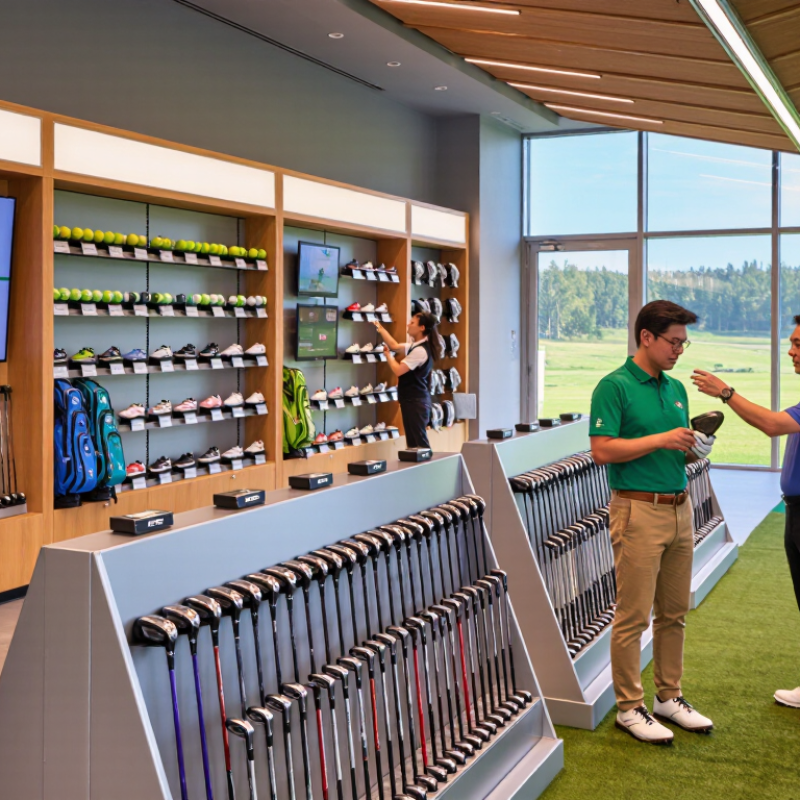
Golf shops often serve as practical bridges between buyers and international equipment suppliers. Their staff understand club specifications, shaft options, grip sizes, and course conditions. This knowledge helps buyers avoid costly mismatches.

An experienced shop can contact several overseas suppliers, compare quotations, and request product samples. It may check swing weight, material details, packaging quality, and production capacity before recommending a source. Buyers can also discuss minimum order quantities, shipping schedules, payment terms, and import documents through one informed contact.

Clear records matter. Small details often affect the final cost.

However, no sourcing process is flawless. A shop may trust a supplier’s first sample too quickly or overlook seasonal shipping delays. That weakness deserves review. Reliable staff should verify specifications in writing, inspect later batches, and keep communication records. They should also explain possible customs requirements without promising guaranteed delivery dates.

In my experience, honest uncertainty is more useful than confident guessing. A buyer needs realistic information before placing a large order. Even a simple measurement check can reveal an unsuitable design. Better questions lead to safer decisions.

Key Benefits of Using Golf Shops for Global Equipment Procurement

Golf shops offer more than shelves of clubs and accessories. They can simplify global equipment procurement through tested supplier networks and practical product knowledge. Experienced staff understand differences in shaft flex, grip size, ball construction, and playing conditions. This helps buyers avoid costly mismatches. A shop can also combine products from several suppliers, reducing fragmented orders and communication delays.

Reliable shops often inspect samples before larger purchases. They may check club specifications, packaging quality, and delivery consistency. This creates a clearer procurement trail. Many shops also support fitting advice, replacement planning, and seasonal inventory decisions. These services matter when equipment moves across regions with different customer preferences. Still, using a golf shop is not always the cheapest option. Service fees and smaller purchasing volumes can increase unit costs. That trade-off deserves honest review.

Tips: Request sample inspections and written specifications. Compare total landed costs, not only item prices. Ask how damaged goods, delays, and replacements are handled. Keep records of supplier feedback and product performance. A small trial order is safer than a rushed large shipment. Procurement teams should also question their own assumptions. A familiar supplier may not always be the most suitable one.

Quality, Pricing, and Logistics Considerations in Golf Shop Sourcing

A golf shop can make global equipment sourcing more practical because it connects product knowledge with purchasing experience. Experienced shop buyers usually inspect club heads, shafts, grips, balls, bags, and training aids before accepting large orders. They check loft, lie, weight, flex, stitching, and surface finish. Small differences can affect playability and customer trust. Samples matter. Product photos rarely reveal loose threads, uneven paint, or poor balance.

Pricing requires more than comparing supplier quotations. A lower unit price may hide higher minimum order quantities, weak packaging, inspection fees, or expensive replacement parts. Reliable buyers calculate the landed cost, including freight, insurance, duties, handling, and local delivery. They also request clear specifications and written quotations. This creates a stronger basis for negotiation. Still, pricing estimates can change when currency rates or shipping conditions move.

Logistics can decide whether a profitable order becomes a costly delay. A capable golf shop confirms carton dimensions, pallet limits, production schedules, and shipment tracking. It also checks commercial invoices, packing lists, and other required documents before dispatch. Consolidated shipments may reduce freight costs, but they can increase handling time. That trade-off deserves attention. In practice, even careful planning is not perfect; one overlooked carton measurement can disrupt the entire delivery schedule. Regular quality checks and honest communication leave fewer surprises for distributors and players.

How to Evaluate a Golf Shop for Reliable Global Sourcing

A golf shop can be a practical partner for global equipment sourcing. Yet reliability requires more than a large online catalog. The R&A’s Golf Around the World 2023 report recorded 66.6 million golfers across 206 countries. Demand is broad, but specifications differ by market. A serious shop should explain product origins, materials, tolerances, and production capacity. Request factory audit records, inspection photos, test reports, and batch-level quality data. Keep evidence, not promises.

Evaluate its communication under pressure. Can the shop answer technical questions clearly? Ask for samples before approving bulk orders. Inspect club weight, shaft alignment, grip finish, stitching, and packaging. Small defects become expensive during international distribution. The 2024 National Golf Foundation participation report recorded 28.1 million Americans playing on-course golf in 2023. That volume rewards consistent supply, not occasional bargains. Shipping deserves equal scrutiny. Compare lead times, minimum order quantities, customs documents, and damage procedures. The shop should understand destination-specific product safety and import requirements. A low quote can still be a warning. No checklist is perfect. Sample orders reveal weaknesses that polished presentations hide. Record every revision, inspection result, and agreed tolerance in writing. A dependable shop may admit limitations, suggest alternatives, and correct mistakes without hiding them. That imperfect honesty is often more valuable than a flawless sales pitch.

Why Choose a Golf Shop for Global Golf Equipment Sourcing? - How to Evaluate a Golf Shop for Reliable Global Sourcing

A practical evaluation framework for comparing golf shops as international sourcing partners. The benchmarks below are general purchasing reference points and should be verified for each product category, destination market, and order.

Evaluation Dimension What to Measure Recommended Reference Benchmark Evidence to Request Priority
Product Category Coverage Breadth of golf equipment and accessories available for regular supply At least 4 core categories, such as clubs, balls, bags, and training or course accessories Current product catalog, category list, stock file, and product specifications High
Product Specification Accuracy Consistency of descriptions, dimensions, materials, lofts, weights, and technical details All commercially important specifications should be documented before quotation or purchase Specification sheets, measurement tables, product photographs, and sample inspection records High
Authenticity and Traceability Ability to identify product origin, batch, supplier, and transaction history Traceability should cover the purchase order, shipment documents, and applicable product batches Commercial invoices, packing lists, serial or batch records where applicable, and supply-chain declarations High
Stock Visibility Accuracy and update frequency of available inventory information Inventory should be confirmed before payment and rechecked before dispatch Timestamped stock report, reservation confirmation, and pre-shipment availability check High
Minimum Order Quantity Smallest commercially practical order for each product or configuration Low or flexible minimum quantities are preferable for market testing and mixed-item purchasing Written MOQ schedule covering individual items, colors, sizes, and customized packaging Medium
Order Processing Time Time from confirmed payment or purchase order to shipment readiness Ready-stock orders are commonly targeted for dispatch within 3–10 business days; customized orders require separate confirmation Order timeline, production or allocation schedule, and historical dispatch records High
International Shipping Capability Ability to arrange export documentation, freight, tracking, and destination delivery At least two transport options should be available, with transit time and cost clearly separated Freight quotation, Incoterms, tracking process, export documents, and packaging details High
Packaging Protection Protection against impact, moisture, compression, and movement during international transport Packaging should be appropriate for the product type and tested or reviewed for long-distance handling Packaging photographs, carton dimensions, gross weight, and damage-prevention procedure High
Quality Control Process Inspection procedures before shipment and handling of non-conforming goods A documented pre-shipment inspection should verify quantity, appearance, specifications, and packaging Inspection checklist, sample report, defect classification, and corrective-action procedure High
Order Accuracy Correctness of item, quantity, configuration, documentation, and shipping label Target an order accuracy rate of 98% or higher, measured over comparable completed orders Anonymized fulfillment records, discrepancy log, and reconciliation process High
Communication Responsiveness Speed and completeness of replies to quotations, technical questions, and shipment issues Routine inquiries should generally receive a complete response within 1 business day Communication workflow, named contact, escalation route, and service-hour information Medium
Documentation Readiness Availability of invoices, packing lists, certificates, declarations, and customs information Required documents should be agreed before shipment and match the physical goods and commercial terms Redacted sample documents, HS-code support, country-of-origin information, and document checklist High
Payment Security Clarity of payment terms, beneficiary details, refund conditions, and transaction controls Use written payment terms, verified account details, and a payment method with suitable buyer protection Pro forma invoice, payment schedule, refund policy, and bank-detail verification procedure High
Returns and Claims Handling Process for reporting shortages, transit damage, defects, and incorrect items The claim window, required photographs, response time, and remedy should be written before ordering Returns policy, claim form, replacement or credit procedure, and examples of resolution timelines High
Customs and Import Compatibility Suitability of product classification, labeling, packaging, and destination-market requirements Confirm HS classification, duties, taxes, labeling, and any product-specific import restrictions before shipment Commercial invoice sample, packing list, HS-code reference, labeling details, and destination compliance review High
Total Landed Cost Transparency Product price plus freight, insurance, duties, taxes, handling, and other import charges A complete landed-cost estimate should be available before purchase approval Itemized quotation showing currency, Incoterms, freight, taxes or duties, and optional service charges High
Sample and Pilot-Order Support Willingness to provide samples or a small trial order before larger procurement A pilot order should test product quality, packaging, documentation, delivery time, and communication Sample quotation, pilot-order terms, inspection result, and post-delivery review checklist Medium
Supply Continuity Ability to maintain availability and communicate shortages or substitutions A replenishment plan should include lead-time updates, substitute approval, and out-of-stock notification Reorder process, inventory alert method, seasonal planning information, and backup sourcing approach High