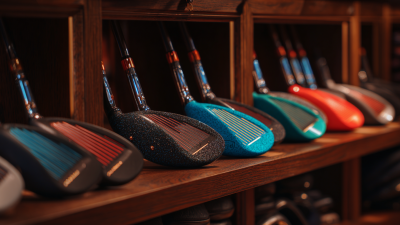
What Is a Golf Set and What Does It Include?

A golf set is more than a bag filled with clubs. It is a carefully selected group of clubs designed to cover different distances, lies, and shot requirements on the course. A typical golf set may include a driver, fairway woods, hybrids, irons, wedges, and a putter. It also usually comes with a golf bag, headcovers, and space for essential accessories. However, the exact combination can vary widely.

Tom Wishon, a respected golf club designer and fitting expert, has often stressed, “There is no such thing as a standard golf club.” That idea matters when choosing a golf set. A tall beginner may need different shaft lengths than a shorter, experienced player. A golfer with a slower swing might benefit from lighter graphite shafts, while another player may prefer heavier steel shafts for control. Small details can change the feel immediately, especially when a seven-iron sits behind the ball.

Not every set needs fourteen clubs. That number is the playing limit, not a requirement. Many beginners carry fewer clubs and learn their distances more clearly. This can be more practical than buying a complete set too quickly. Still, equipment advice is not always universal. Personal testing, professional fitting, and honest feedback from the course remain important. A golf set should support the golfer’s real swing, not an imagined one. That distinction is easy to overlook.
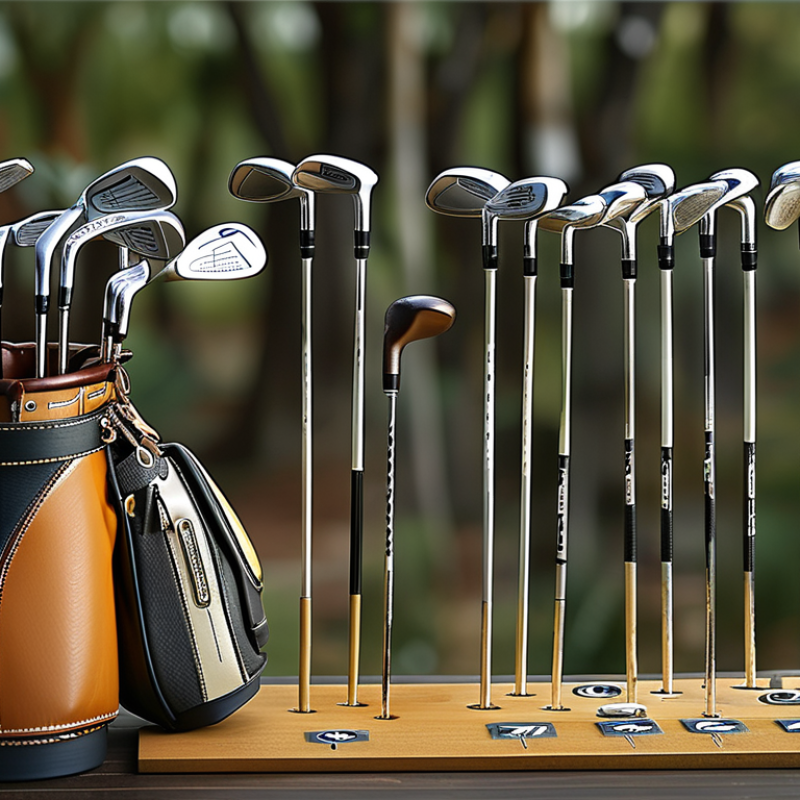
What Is a Golf Set and What Does It Include?

What Defines a Golf Set?

A golf set is not simply a bag filled with clubs. It is a planned group of clubs designed to cover different shots and distances. A typical set may include a driver, fairway wood, hybrid, irons, wedges, and a putter. The exact mix varies with a golfer’s swing speed, skill, course conditions, and preferred shot shape.

What defines the set is the spacing between club lofts, not the number of matching pieces. Each club should produce a useful distance gap. Otherwise, two clubs may perform almost identically.

On a course, this difference becomes clear. A driver may suit the opening tee shot, while a hybrid can help from light rough. Irons handle controlled approach shots, wedges manage pitches and bunkers, and the putter rolls the ball on the green.

A golf bag is part of the package, but it does not define the set by itself. Under the Rules of Golf, a player may carry up to 14 clubs, so selection requires judgment. More clubs are not automatically better.

I have seen golfers carry rarely used long irons and leave practical yardage gaps elsewhere. Checking actual carry distances with a launch monitor or range markers offers more reliable guidance than copying another player’s setup.

Comfort matters too: shaft length, flex, grip size, and club weight can change control. Even a carefully fitted set may need adjustment as technique develops. That is normal, not a failure.
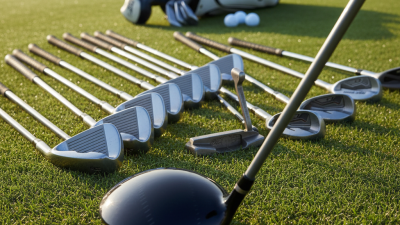
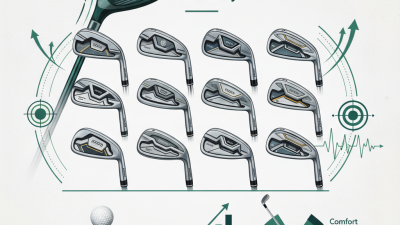
The Standard Clubs Included in a Golf Set

What Is a Golf Set and What Does It Include?

The Standard Clubs Included in a Golf Set

A golf set is a coordinated group of clubs for tee shots, approach shots, short-game shots, and putting. Under the USGA Rules of Golf, players may carry a maximum of 14 clubs. Most complete recreational sets contain 10 to 14 clubs, depending on skill, course conditions, and budget.

The driver usually provides the longest distance from the tee. A fairway wood helps with long shots from short grass. Hybrids replace difficult long irons for many players. Irons commonly range from 5-iron through 9-iron, although some sets include a 4-iron. Wedges handle shorter shots, bunker play, and controlled approaches. A pitching wedge is common, while a sand wedge adds useful bounce near bunkers. The putter finishes each hole.

The National Golf Foundation’s 2024 Golf Industry Report recorded 28.6 million on-course golfers in the United States during 2023. The R&A’s Golf Around the World 2023 report estimated 66.6 million golfers worldwide. These figures show why flexible set design matters. In my fitting experience, beginners often carry too many demanding clubs. A smaller set can improve confidence and reduce awkward decisions. I would rather see a golfer strike seven clubs well than carry fourteen poorly matched ones. That view is imperfect, though. Strong players may need extra wedges, while windy courses can reward another long club. Loft gaps still deserve careful checking. A set can look complete yet leave a frustrating distance gap between clubs.

Accessories and Equipment Used with a Golf Set

A golf set is more than irons, woods, and a putter. The accessories around it shape comfort, control, and course readiness. The R&A’s Golf Around the World 2023 report recorded 66.6 million golfers across 206 countries and territories, excluding the United States and Mexico. That scale explains why practical equipment matters.

A durable golf bag carries clubs, balls, gloves, tees, and a small repair tool. A stand bag suits walking rounds, while a cart bag offers more storage. Golf shoes provide traction on wet grass, and a glove can reduce slipping during the swing. Keep a towel nearby. It removes moisture from grips and clubfaces. A ball marker, divot tool, umbrella, and water bottle also earn their space. A rangefinder may support distance decisions, but local competition rules can restrict its functions.

The National Golf Foundation reported 28.1 million on-course golfers in the United States during 2023. Many players still overpack. I have found that extra gear often creates distraction, not confidence. A simple setup works better: two gloves, several tees, spare balls, sunscreen, and weather protection. Check the bag before every round. Small omissions can become awkward problems on the fifth hole. A first-aid pouch is sensible, although it rarely receives attention. Good equipment should quietly support the round, not dominate it.

What Is a Golf Set and What Does It Include? - Accessories and Equipment Used with a Golf Set

Equipment or Accessory Category Typical Quantity Main Purpose Key Features or Specifications Place in a Golf Set
Driver Club 1 Used primarily for long tee shots on par-four and par-five holes. Large clubhead, long shaft, and low-loft design; commonly the longest club in the bag. Core equipment
Fairway Wood Club 1–2 Provides distance from the fairway, rough, or tee when a driver is not suitable. Smaller head than a driver and a higher loft, allowing a higher and more controlled launch. Commonly included
Hybrid Club 1–3 Replaces or complements long irons for longer shots and easier launch from challenging lies. Combines features of a wood and an iron; generally offers forgiveness and a higher launch. Commonly included
Irons Club 5–7 Used for approach shots and controlled shots at varying distances. Numbered by loft; lower-numbered irons travel farther, while higher-numbered irons provide more height. Core equipment
Wedges Club 2–4 Used for short approach shots, bunker shots, pitches, and chips. High-loft clubs designed for accuracy, trajectory control, and shots around the green. Core equipment
Putter Club 1 Used to roll the ball into the hole on the putting green. Designed for a stable, controlled stroke rather than distance; usually has a flat striking face. Core equipment
Golf Bag Carrying Equipment 1 Stores and transports clubs, balls, clothing, and other accessories. Usually includes club dividers, pockets, a shoulder strap, and a stand or cart-compatible base. Core equipment
Golf Balls Consumable Equipment 6–12 or more Used to play each shot and complete the hole. Regulation balls have a maximum diameter of 42.67 mm and a maximum weight of 45.93 g. Core equipment
Tees Course Accessory Several Elevate the ball for the first shot on each hole. Available in different lengths and commonly made from wood or durable composite materials. Core accessory
Golf Glove Wearable Accessory 1 Improves grip consistency and helps protect the lead hand from blisters. Usually worn on the non-dominant hand; leather and synthetic materials are common. Commonly included
Golf Shoes Footwear 1 pair Provide traction and stability during the swing and while walking the course. Typically feature molded or soft traction elements and water-resistant construction. Commonly used
Golf Towel Bag Accessory 1 Cleans clubfaces, grips, and golf balls during a round. Absorbent fabric with a clip or loop for attaching it to the golf bag. Commonly used
Ball Marker Green Accessory 1–2 Marks the ball's position when the ball is lifted on the putting green. Small, flat object that should not interfere with other players' putting lines. Commonly used
Divot Repair Tool Green Accessory 1 Repairs ball marks made when a shot lands on the putting green. Usually has one or two prongs designed to lift and restore damaged turf. Commonly used
Golf Umbrella Weather Accessory 1 Protects the player and equipment from rain or strong sunlight. Larger than a standard umbrella and often designed to fit in or attach to a golf bag. Optional accessory
Rangefinder or GPS Device Distance Aid 1 Helps estimate the distance to the hole, hazards, or other course targets. Laser rangefinders measure a target directly; GPS devices use mapped course information. Optional accessory
Push Cart or Riding Cart Transport Equipment 1 Reduces the need to carry the golf bag during a round. Push carts are manually operated; riding carts transport one or more players and bags. Optional equipment
Headwear and Golf Apparel Clothing As needed Provides comfort and protection from sun, wind, and changing weather conditions. Common items include collared shirts, trousers or shorts, caps, visors, rainwear, and lightweight layers. Optional accessory

How Golf Sets Differ by Player Type and Skill

A golf set is a matched group of clubs usually including a driver, fairway wood, hybrid, irons, wedges, and a putter. The exact mix should follow the player, not a standard checklist. The R&A’s Global Golf Participation Report 2023 recorded 66.6 million on-course golfers across 206 countries. That wide population includes complete beginners, occasional players, and low-handicap competitors. Their equipment needs are not the same.

Beginners often benefit from forgiving clubs with larger faces and higher launch. A set with fewer long irons can reduce difficult, low shots. Hybrids are often easier to control from rough or fairway lies. Keep it simple. Recreational players may need distance consistency and lighter shafts, especially when their swing speed varies. The National Golf Foundation reported 26.6 million American on-course golfers in 2023, showing how many players may value practical, flexible equipment over specialist setups.

Experienced players usually choose tighter gapping between irons and wedges. They may also carry fewer forgiving clubs to improve shot shaping and trajectory control. However, skill level alone can mislead. A low handicap does not always mean faster swing speed, and a beginner may have strong athletic ability. A launch monitor fitting can reveal carry distance, launch angle, and dispersion more reliably than guesswork. Still, fitting data is not perfect. Real grass, wind, fatigue, and pressure can change the result. The best set is the one that produces repeatable shots during actual play.

How to Choose the Right Golf Set

What Is a Golf Set and What Does It Include?

A golf set usually includes a driver, fairway woods, irons, wedges, a putter, and a golf bag. Each club serves a different purpose. The driver is built for maximum distance from the tee. Irons help control direction and distance on approach shots. Wedges handle short shots, rough, and bunker play. The putter finishes the hole. Under the Rules of Golf, players may carry no more than 14 clubs, according to the R&A and USGA.

Choosing the right golf set starts with your ability, swing speed, and typical course conditions. The National Golf Foundation reported 47.2 million on-course golfers in the United States during 2023. That growth brings more first-time buyers into equipment decisions. New players often benefit from forgiving irons, a stable putter, and fewer demanding long clubs. Forgiveness matters. Still, it cannot repair poor contact or an unsuitable shaft. That part is easy to forget.

Try clubs before purchasing whenever possible. A launch monitor can reveal carry distance, launch angle, spin, and dispersion. Compare those numbers, not only the longest shot. A shorter club with tighter dispersion may lower your score. Shaft weight also deserves attention, especially when fatigue appears after several holes. My practical bias is simple: fit the irons and wedges first, then refine the driver. It is not a perfect rule. A professional fitting report from the R&A’s Golf Around the World research also reinforces golf’s diverse player base, so one standard set cannot suit everyone.