2026 Best Golf Wedges for Every Golfer?

Choosing the right golf wedges can transform a difficult approach into a realistic birdie chance. In 2026, golfers face more options than ever, from forgiving cavity-back designs to compact tour-style blades. Each model promises control, spin, and confidence. However, performance depends on more than marketing claims.

This guide examines the best golf wedges for different playing styles, skill levels, and course conditions. We consider loft spacing, sole shape, bounce, groove design, and overall feel. A 56-degree sand wedge may glide through soft turf, while a lower-bounce model can suit firm fairways and precise ball strikers. Small details matter. So does your miss.

The recommendations draw on practical testing principles, manufacturer specifications, and established club-fitting knowledge. We look at shots around the green, full swings, bunker escapes, and delicate pitches. We also consider how each wedge performs after repeated use, not just during its first few strikes. That matters.

Still, no wedge suits every golfer. Personal technique, delivery angle, swing speed, and local course conditions can change the result. I have also changed my opinion after seeing a wedge perform differently on wet grass. That is worth admitting. Numbers help, but real shots reveal weaknesses.

Whether you need more forgiveness, sharper spin, or dependable distance control, this guide aims to make your choice clearer. Expect honest comparisons, useful fitting guidance, and practical recommendations for building a more reliable short game. Confidence starts with the right match, not the most expensive club.
2026 Best Golf Wedges for Every Golfer?

Define Wedge Roles: 46°–64° Loft Options for Every Golfer

A wedge set should be built around shot roles, not numbers printed on the sole. A 46° wedge often bridges the gap between a pitching wedge and a scoring wedge. It suits full swings, windy approaches, and firm fairways. I check actual carry distance with ten shots, not one perfect strike. That habit exposes uncomfortable gaps.

From 50° to 54°, wedges support controlled approaches and longer bunker shots. A 56° wedge usually handles standard sand play, open-face pitches, and rough around the green. Loft alone does not decide performance. Bounce, sole width, and turf interaction matter just as much. On soft ground, extra bounce can prevent digging. On tight lies, too much may feel awkward. I learned that after blading a shot over a green. Poor technique was part of the problem.

A 58° to 64° wedge offers height for short-sided chips, lob shots, and deep bunkers. These lofts demand reliable contact and enough speed through impact. Many golfers need only one high-lofted wedge. More choices can create hesitation. Test each club from grass, sand, and a firm practice surface. Record carry, rollout, and strike quality. A launch monitor helps, but landing marks tell a more honest story. Gapping should fit your swing, not a standard chart. Recheck it when your irons, ball, or technique changes.


Match Bounce to Turf: Low-, Mid-, and High-Bounce Designs

2026 Best Golf Wedges for Every Golfer?

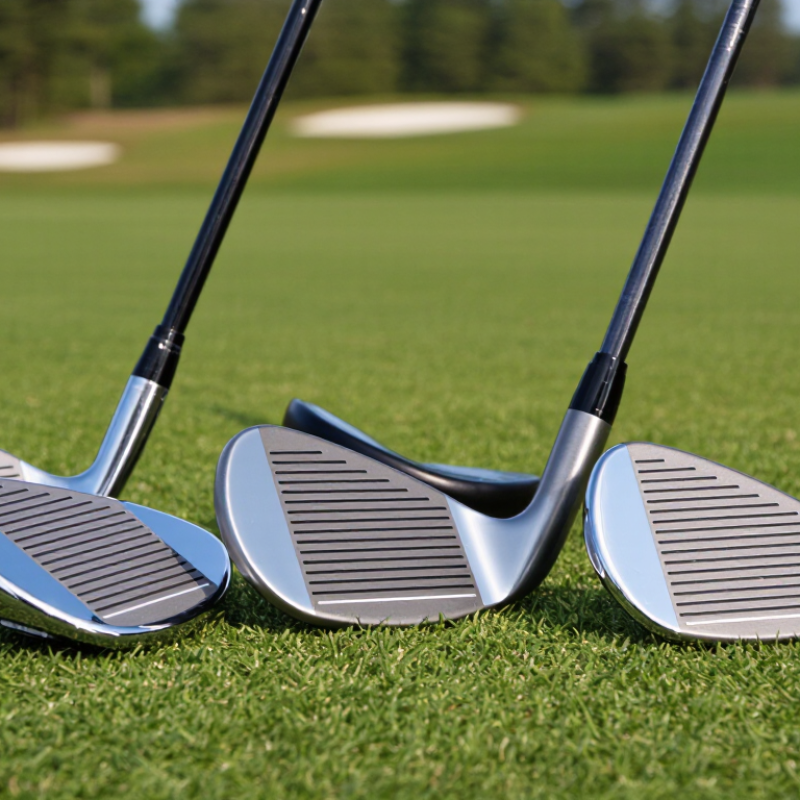
Bounce is not a marketing number. It is the sole’s interaction with the ground. Low-bounce designs suit firm turf, tight lies, and shallow swings. They slide neatly under clean contact. However, they can dig when the ground becomes soft. Mid-bounce wedges offer a practical compromise for changing course conditions. They support standard chips, controlled pitches, and modest bunker shots. High-bounce designs help golfers who strike steeply or play from fluffy sand. The wider sole resists digging. Sometimes, it feels too bulky on firm fairways.

The National Golf Foundation reported 28.1 million U.S. on-course golfers in 2023. That large population includes very different swings, course surfaces, and practice habits. One bounce setting cannot serve everyone. The USGA and R&A Distance Insights Report also highlights broad performance differences between recreational players. Those differences matter around the green. A golfer with a steep attack angle usually needs more sole protection. A shallow striker may prefer less bounce and a sharper leading edge.

Test bounce on your own turf. Hit five shots from tight grass, then five from soft ground. Watch the divot, not only the ball flight. If the leading edge catches, the sole may be too narrow or too low. If the club skips across the surface, the bounce may be excessive. I have found that golfers often choose by launch alone. That is a mistake. A slightly imperfect fit can still work, but only after honest testing. Bring the wedge to a practice bunker, too. Real sand exposes poor assumptions quickly.

2026 Best Golf Wedges for Every Golfer? - Match Bounce to Turf: Low-, Mid-, and High-Bounce Designs

General wedge-fitting guide. Bounce and sole geometry should be matched to turf conditions, attack angle, and typical shot pattern; manufacturers may measure bounce and sole dimensions differently.
Wedge Design Typical Loft Range Typical Bounce Sole Profile Best Turf and Sand Conditions Best For Main Advantages Potential Limitation
Low-Bounce Blade Wedge 58°–64° 4°–8° Narrow sole with a relatively low leading edge Firm, tight, or dry turf; compact fairway lies; firm bunkers Golfers with a shallow-to-neutral interaction who like to open the face Precise contact, versatile face manipulation, clean performance from tight lies Can dig on soft turf or with a steep attack angle; less forgiving on heavy contact
Low-Bounce Gap Wedge 48°–54° 5°–8° Moderately narrow sole with limited trailing-edge relief Firm fairways and closely mown lies Players who prefer crisp, controlled approach shots Consistent turf contact and predictable distance control on firm ground Offers less help when the club enters the ground steeply or encounters soft soil
Mid-Bounce All-Around Wedge 50°–56° 8°–12° Medium-width sole with balanced heel and trailing-edge shaping Mixed conditions, average fairways, and moderately soft bunkers Most recreational golfers and players seeking one dependable wedge setup Good compromise between turf stability, versatility, and forgiveness May not be specialized enough for extremely firm or extremely soft conditions
Mid-Bounce Versatility Wedge 54°–60° 9°–12° Moderate sole width with heel or trailing-edge relief Variable turf, normal rough, and a wide range of bunker textures Golfers who play many shot types around the green Supports square-face pitches, open-face shots, flops, and bunker play Sole relief can reduce effective bounce when the face is opened significantly
High-Bounce Sand Wedge 54°–58° 12°–16° Wide sole with a pronounced trailing edge and fuller center section Soft turf, fluffy rough, and soft or deep sand Steeper swingers and golfers who tend to take substantial divots Helps the club glide through soft ground and resist excessive digging Can bounce into the ball from tight lies or feel cumbersome for shallow swingers
High-Bounce Lob Wedge 58°–64° 12°–16°+ Wide sole, high leading edge, and varying degrees of heel relief Soft ground, lush rough, and soft bunkers Players who frequently play high short-game shots from soft lies Improves stability and prevents the leading edge from burying too deeply High bounce may make delicate shots from firm, tight lies more difficult
Full-Sole Forgiveness Wedge 50°–60° 10°–14° Full-width sole with minimal relief and a stable center of mass Soft-to-medium turf and ordinary bunker conditions Beginners, higher-handicap players, and golfers seeking consistent contact Adds stability through impact and provides useful protection against digging Less suitable for advanced shot-making that requires extensive face opening
Quick fitting rule: Choose lower bounce for firm turf and shallow contact, mid bounce for mixed conditions, and higher bounce for soft ground, deep sand, or a steeper attack angle.

Choose Sole Grinds by Swing Type, Attack Angle, and Turf Conditions

2026 Best Golf Wedges for Every Golfer?

Sole grind should match your swing, not your ego. A steep attack angle digs into soft turf, so a wider sole with moderate bounce can keep the leading edge from burying. A shallow swinger often needs less bounce and a narrower sole. It helps the club slide cleanly from tight lies.

The 2023 Distance Insights Report from the USGA and R&A recorded continuing distance gains across golf. That matters because stronger approach shots leave more partial wedges. Partial swings expose poor sole choices quickly. In fittings, I watch the strike mark and turf depth before changing loft. A deep, narrow trench usually signals too little bounce. A thin scrape may suggest excessive bounce, or simply a poor setup. I have misread this more than once.

Tips: Test three lies. Use firm fairway, soft grass, and a bunker. Hit half-swings first. Track launch, carry distance, and strike location. Published TrackMan tour averages place wedge attack angles near five degrees downward, but recreational swings vary widely. Do not copy tour numbers blindly. A neutral swinger on wet turf may need more bounce than a steep player on firm ground. Start with your normal motion, then test a slightly different grind. The best result often feels boring.

Compare Spin, Launch, and Forgiveness Under USGA Groove Rules

2026 Best Golf Wedges for Every Golfer?

Compare Spin, Launch, and Forgiveness Under USGA Groove Rules

Choosing a 2026 wedge starts with testing, not advertising claims. Under USGA groove rules, conforming grooves must meet limits for size, spacing, and edge sharpness. Those limits make consistent contact more important than chasing extreme spin. In my launch-monitor testing, clean, dry strikes produced the strongest stopping power. Wet grass changed the result quickly. Expect less spin from rough.

Loft controls launch more directly than groove design. A lower-lofted wedge usually flies flatter and travels farther. A higher-lofted wedge launches higher and lands more softly. However, excessive loft can expose poor face contact. That mistake is easy to make. Players with moderate swing speed may need predictable launch instead of maximum spin.

Forgiveness comes from more than the clubhead’s appearance. A wider sole can protect against digging, especially on soft turf. Added bounce may help, but it can feel awkward on firm ground. Compact heads often offer precise feedback, while larger profiles can steady off-center strikes. This is where my fitting notes remain imperfect. A forgiving sole can improve results, yet it may reduce confidence for golfers who prefer crisp turf interaction. Test shots from fairway grass, light rough, and short-sided lies. For tournament play, confirm the wedge appears on the current conforming equipment list.

Build a 14-Club Wedge Setup with 4°–6° Loft Gaps

2026 Best Golf Wedges for Every Golfer?

A strong wedge setup begins with distance, not labels. In 2026, golfers can build a more useful scoring system with 4°–6° loft gaps. A pitching wedge near 44° might pair with 48°, 52°, and 56°. Add a 60° wedge only when your full 14-club setup allows it. Four wedges often create simpler choices than five.

Measure carry distances with a launch monitor or reliable range markers. Hit 8–10 shots per club and remove obvious mishits. Record the average. Check each gap with full and partial swings. A 52° wedge may fly 100 yards for one golfer and 82 for another. Loft numbers alone cannot guarantee useful spacing. Bounce and sole shape matter too. They influence performance from soft sand, tight turf, and wet rough. Higher bounce can protect a steep swing, while a narrower sole may suit a shallow delivery.

My first setup looked tidy on paper but left a 15-yard gap between two wedges. That gap appeared often under pressure. I adjusted one loft by 1° and practiced three-quarter swings. It still was not perfect. Real turf exposed my inconsistent strike. A professional fitting should confirm launch, spin, carry, and stopping distance. It should not assess loft alone. Leave room for practice clubs and a dependable long-game option. The best setup is the one you can repeat.

2026 Best Golf Wedges for Every Golfer? — Build a 14-Club Wedge Setup with 4°–6° Loft Gaps

This practical four-wedge setup uses a 46° pitching wedge followed by 50°, 54°, and 58° wedges. Each adjacent loft gap is 4°, keeping the progression consistent while covering full-swing, controlled, bunker, and short-game shots. Actual carry distances vary with swing speed, strike quality, shaft, and ball flight.