10 Office Visitor Chair Buying Tips for Global Buyers
Choosing an Office Visitor Chair is no longer a minor procurement decision. It affects comfort, accessibility, brand perception, and daily workplace efficiency. Fortune Business Insights reported that the global office furniture market reached approximately USD 64.9 billion in 2024. Its forecast also indicates continued growth through 2032. That expansion reflects changing offices, hybrid work, and stronger expectations for adaptable furniture.
Visitor seating deserves careful attention.
A durable chair should support short meetings without creating pressure points. It should also fit reception areas, consultation rooms, and shared offices. Consider seat height, back support, cleanability, stacking ability, package dimensions, and replacement parts. BIFMA standards, including ANSI/BIFMA X5.1, provide useful benchmarks for strength and durability. European buyers may also review EN 16139 requirements for non-domestic seating. Compliance is not the whole answer. A certified chair can still feel uncomfortable in a real reception room.
Niels Diffrient, the renowned workplace seating designer, said, “The chair is the most important piece of equipment in the office.” His observation applies strongly to visitor seating, even though it was not written only for reception chairs. An Office Visitor Chair communicates care before a conversation begins. It also absorbs practical abuse: rolling bags, wet coats, frequent movement, and rushed cleaning. Grand View Research and other market reports show sustained interest in ergonomic office seating, but product data can simplify human experience. A test room cannot fully reproduce a busy clinic or crowded lobby. That is why global buyers should compare samples, warranty terms, packaging quality, and local service. No buying guide is flawless. However, these ten tips can reduce avoidable mistakes and support a more confident, evidence-based purchase.
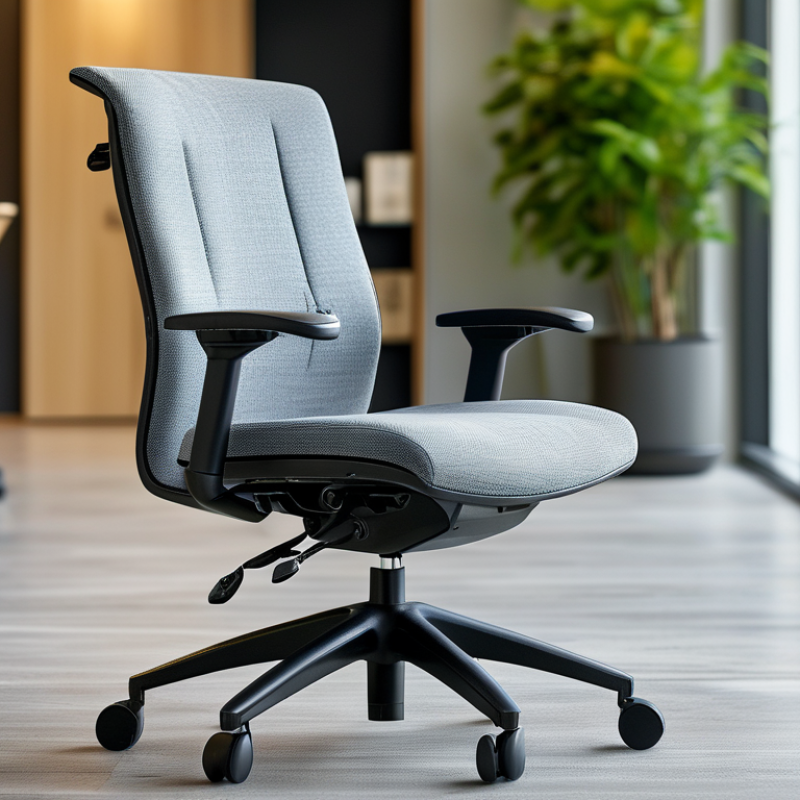
Define Visitor Chair Needs by Space, Users, and Visit Frequency
Choosing a visitor chair starts with the space, not the catalogue. Measure the reception area, meeting room, and circulation paths before comparing materials or prices. A chair that looks compact may still block a 900-millimetre walkway when occupied. Leave enough clearance for bags, coats, and wheelchair movement. Small details matter.
User profiles should guide the chair’s height, depth, and support. Short visits may suit a firm, upright seat with easy standing access. Longer consultations need better lumbar support and a slightly softer cushion. Consider older visitors, children, and people with limited mobility. One standard chair rarely serves everyone well. I learned this after seeing guests shift constantly in deep seats.
Visit frequency changes the buying decision. For occasional visitors, lightweight chairs may simplify cleaning and room reconfiguration. Busy reception areas need stronger frames, replaceable glides, and surfaces that tolerate daily wiping. Check the stated load rating and test several chairs with real users. Specifications can look convincing. Daily use tells the truth.
Keep maintenance practical across regions. Choose finishes that resist common stains and allow quick inspection. Avoid textured upholstery if cleaning teams cannot service it properly. A chair may be comfortable, attractive, and still unsuitable for your workflow. Review the choice after one month of use, because early assumptions are often wrong.
Compare Chair Materials, Comfort, and Ergonomic Support
10 Office Visitor Chair Buying Tips for Global Buyers
Compare Chair Materials, Comfort, and Ergonomic Support
Tip 1: Check the frame before judging the fabric. Powder-coated steel offers strength, while molded plastic can reduce weight and shipping costs. Wood-based panels may feel warmer, but moisture control matters during international transport. Ask for material specifications, load testing, and cleaning guidance. A glossy finish can look attractive, yet it may reveal scratches quickly.
Tip 2: Sit for at least ten minutes. Short visits still require proper support. Look for a seat that supports the thighs without pressing behind the knees. Medium-density foam usually balances softness and durability. Mesh improves airflow in warm offices, but poor tension can feel unstable. I once preferred a firm seat, then noticed visitors shifting constantly after longer meetings. Comfort is personal, not a fixed measurement.
Tip 3: Review ergonomic details carefully. A gently curved backrest, slight lumbar support, and stable armrests can reduce awkward posture. Choose a seat height that suits local desk dimensions and user sizes. Adjustable features are useful, but they can increase maintenance and replacement costs. Test the adjustment controls repeatedly. They should work smoothly, without sharp edges or confusing labels.
Tip 4: Compare samples under real conditions. Place chairs on tile, carpet, and uneven flooring. Check noise, balance, and cleaning effort. Confirm packaging dimensions, replacement parts, warranty terms, and applicable safety requirements for each destination. Do not trust photographs alone. They hide weak joints and uncomfortable seat edges. A careful trial may slow purchasing, but rushed decisions often cost more later.
Check Dimensions, Weight Capacity, and Office Compatibility
When buying visitor chairs for international offices, start with a measured floor plan, not a catalog photograph. Record seat width, depth, back height, and overall height in millimeters. Consistent units prevent costly misunderstandings between suppliers, contractors, and local installation teams. Leave clear paths beside desks, doors, and emergency routes. A chair that fits one reception area may crowd another. Small details matter.
Check the stated weight capacity against real daily use, not an optimistic guess. Include visitors carrying bags, winter clothing, or mobility equipment. Ask whether the rating covers the complete chair and how testing was performed. Reliable documentation should identify materials, test methods, and maintenance limits. Also verify local accessibility and building requirements before placing a large order. I have seen attractive chairs fail early when capacity was treated as a marketing number. That mistake is avoidable.
Office compatibility includes more than size. Compare seat height with existing desks, especially adjustable workstations and meeting tables. Look for stable legs, floor-friendly feet, cleanable upholstery, and edges that do not snag clothing. In humid or dusty regions, inspect finishes and cleaning instructions before ordering large quantities. Ask for samples when possible, then test them with different users for twenty minutes. Comfort is subjective. My own review process still misses things occasionally, such as armrests blocking close desk access. That is worth checking twice.
10 Office Visitor Chair Buying Tips for Global Buyers
Reference screening values for checking dimensions, weight capacity, and compatibility with common office layouts.
Practical reference targets include a seat height of approximately 42–50 cm, seat width of at least 45 cm, seat depth of approximately 40–48 cm, and a backrest height of around 45–60 cm. A minimum tested load capacity of 120 kg is a useful starting point for general office visitor use. Always confirm the supplier’s tested specifications, local safety requirements, desk clearance, doorway access, and available floor space before purchasing.
Review Global Pricing, Shipping, Warranty, and Supplier Service
10 Office Visitor Chair Buying Tips for Global Buyers
Global pricing is rarely the factory price. Compare the landed cost, including packaging, freight, insurance, duties, and local delivery. Request quotes in one currency and record the validity period. Currency changes can quietly erase a small discount. The World Bank’s 2023 Logistics Performance Index collected responses from 4,090 logistics professionals across 139 economies. Its findings support checking customs reliability and shipment tracking, not only unit cost. Ask for Incoterms, carton dimensions, container loading plans, and replacement-part prices. One detail is often missed.
Shipping needs practical testing. A sample chair should survive stacking, vibration, and warehouse handling. Sea freight carries over 80% of global merchandise trade by volume, according to UNCTAD’s Review of Maritime Transport 2023. That makes port congestion and documentation important buying risks. Confirm the port of loading, estimated transit range, destination charges, and damage-reporting deadline. Do not accept “fast delivery” without a written schedule. It sounds helpful, but proves little.
Warranty terms should name the covered parts, labor limits, exclusions, and claim response time. Ask whether casters, gas lifts, fabric, and armrests are separately available. Supplier service also matters after payment. Evaluate factory inspection records, multilingual communication, spare-parts stock, and support across time zones. A useful service test is simple: send the same technical question to several suppliers and compare the clarity of their replies. My checklist still cannot predict every delay, so keep a modest contingency budget and document every promise.