What Is a Food Cooler and How Does It Work?
A Food Cooler is more than an insulated box filled with ice. It is a portable system designed to slow heat transfer and protect perishable food. Thick walls, reflective layers, tight seals, and cold packs work together. They reduce the movement of heat from warm air into the container.
YETI co-founder Roy Seiders captured the product’s ambition clearly: “We wanted to build the best cooler in the world.” That goal explains why modern coolers use rotomolded plastic, dense foam, and reinforced hinges. These parts help maintain a stable internal temperature during travel, outdoor work, or extended storage. However, performance depends on preparation. A warm cooler loses cold faster. Opening the lid repeatedly also allows warm air to enter.
The basic process is simple. Ice absorbs heat as it melts. Insulation slows that heat exchange. The lid seal limits air leakage. Together, these features create a colder environment for food. A reliable Food Cooler should still be checked with a thermometer. Ice can look plentiful while the interior temperature rises.
This matters because harmful bacteria can grow when perishable food becomes too warm. Keeping food at 40°F (4°C) or below is a practical safety target. Separate raw meat from ready-to-eat items. Use sealed containers. Drain meltwater when necessary, but do not assume appearance proves safety.
There are limits. No cooler replaces careful handling. Even the strongest model eventually warms. Understanding how it works helps users choose better materials, pack it correctly, and recognize when its protection is no longer enough.
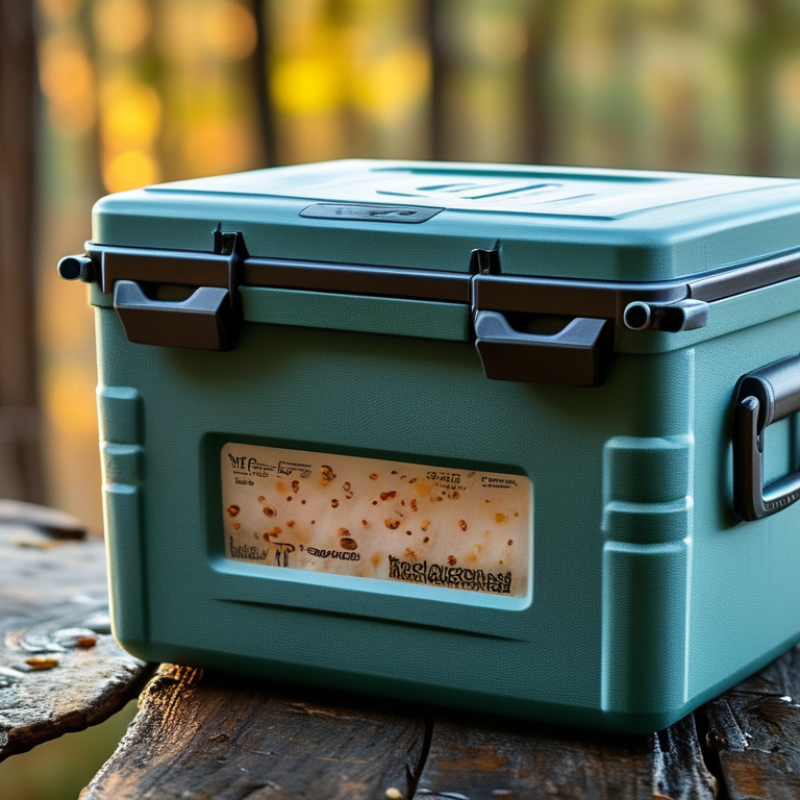
Definition and Purpose of a Food Cooler
A food cooler is an insulated container designed to slow heat transfer. It keeps chilled food cold during travel, outdoor meals, shopping, or temporary storage. It does not create cold like a refrigerator. Instead, it preserves the low temperature already provided by ice, gel packs, or frozen containers.
Its main purpose is temperature control. Cold conditions slow the growth of many harmful microorganisms. A cooler also protects food from direct sunlight, warm air, and sudden temperature changes. I usually pre-chill the container before packing it. Cold food goes inside first, followed by enough ice packs to fill open spaces. Less empty air usually means better cooling.
Keep raw meat sealed separately from ready-to-eat food. A small thermometer gives more reliable information than touch. The inside can feel cold while food near the lid warms quickly. I once opened a cooler repeatedly during a long trip, and the ice melted sooner than expected. That mistake changed my routine. I now place drinks in a separate container and open the food cooler less often.
Clean the cooler after each use. Wipe spills immediately, especially from raw ingredients. Dry the interior fully before storage. Cooling performance also depends on shade, packing density, and outside temperature. A cooler is useful, but it is not a substitute for safe food handling or indefinite refrigeration.
How a Food Cooler Removes and Retains Heat
What Is a Food Cooler and How Does It Work?
A food cooler controls temperature by removing heat and slowing new heat from entering. I used to think a cooler simply “held cold,” but heat is always moving. In an active cooler, a compressor circulates refrigerant through coils. The inner coil absorbs warmth from the food compartment, while the outer coil releases that heat into the room. A fan may improve airflow and reduce warm spots. The process continues until the thermostat reaches its selected temperature.
Passive coolers work differently. Ice or frozen packs absorb heat as they warm and change state. Thick insulation slows heat transfer through the walls, while a tight lid limits warm air exchange. Every opening matters. A warm lunch placed beside frozen items still adds heat, so the cooler must work harder or lose its cooling reserve. Dry insulation also performs better than wet, compressed material. This detail is easy to overlook.
Tips: Pre-chill the cooler and food before packing. Keep the lid closed. Leave minimal empty space, but do not crush delicate food. Place a small thermometer inside, since touch is unreliable. Clean spills quickly and inspect the seal for gaps. I still check temperature in different areas; one reading may miss a warm corner. When cooling performance seems weak, the problem may be poor airflow, a damaged seal, or simply too many warm items.
Types of Food Coolers and Their Uses
A food cooler slows heat transfer and keeps food cold during travel, storage, or outdoor meals. Insulation traps cooled air, while ice or cold packs absorb incoming heat. Cold air escapes. The design cannot create cold temperatures by itself. A thermometer provides more reliable evidence than touch.
Types of Food Coolers and Their Uses
Hard-sided coolers offer strong insulation and suit camping, fishing, road trips, and large food loads. Soft coolers are lighter and easier to carry for office lunches, picnics, or short journeys. Electric coolers use a powered cooling system and work well in vehicles or temporary food storage. Passive coolers depend on ice or frozen packs, so they need careful packing and regular temperature checks. Perishable food should stay at 4°C (40°F) or below. I once assumed a full cooler stayed cold longer, but poor packing allowed warm air to enter repeatedly. Space and loading habits matter.
Tips: Pre-chill the cooler before use. Place ice packs around the food, not only on top. Keep the lid closed. Use separate coolers for drinks and meals when possible. Mark raw food clearly and seal it against leaks. Replace melted ice promptly. A cooler is not a refrigerator, and its performance changes with sunlight, opening frequency, and outdoor temperature.
Factors That Affect Cooling Performance
A food cooler removes heat from an insulated space and releases it outside. Portable models usually rely on ice, frozen packs, or thermoelectric systems. Cooling performance depends on more than the cooler’s size. The lid seal, insulation thickness, air circulation, and starting temperature all matter.
The FDA Food Code recommends holding cold food at 41°F (5°C) or below. USDA FSIS guidance uses 40°F (4°C) or lower for household refrigeration. A cooler opened repeatedly gains warm air, especially on a sunny picnic table. USDA also advises discarding perishables left above 40°F for over two hours, or one hour when temperatures exceed 90°F. That short window is easy to underestimate.
Ice placement changes results. Cold packs around dense food create fewer warm pockets than loose ice above it. However, a tightly packed cooler can restrict air movement and slow uneven cooling. Pre-chilling food reduces the heat load, while warm containers consume the cooler’s limited capacity. The U.S. Department of Energy identifies door openings and poor seals as major causes of cooling loss in refrigeration equipment. Portable coolers face similar problems. Real use is messier than laboratory testing. A thermometer helps, but one reading may miss a warm corner. Check several areas when safety matters.
What Is a Food Cooler and How Does It Work?
A food cooler slows heat transfer from the warmer surroundings to the colder contents. Insulation with lower thermal conductivity generally improves cooling performance by reducing conductive heat flow.
Chart interpretation: Lower thermal conductivity means less heat passes through the insulation. The values shown are representative room-temperature values in watts per meter-kelvin (W/m·K); actual performance also depends on insulation thickness, lid openings, air gaps, ambient temperature, and the amount of food inside.