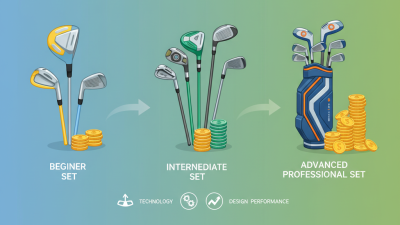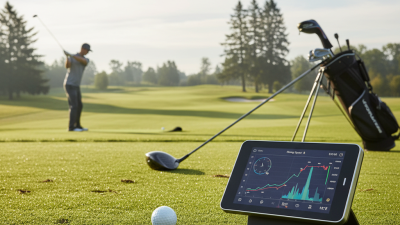
Choosing the best golf irons is rarely as simple as selecting the most attractive model on a store shelf. A polished chrome finish may look impressive, yet the club can still feel heavy, launch poorly, or demand more skill than you expect. The right choice depends on your swing speed, strike pattern, handicap, typical ball flight, and playing goals.
This guide presents ten practical tips for comparing golf irons with greater confidence. You will learn how loft design affects distance, why shaft flex matters, and how forgiveness can protect imperfect strikes. A launch monitor can reveal useful details, including carry distance, spin rate, peak height, and dispersion. However, numbers should support your judgment, not replace it. A perfect screen result may feel uncomfortable on the course.
Testing several sets with a qualified club fitter can expose differences that online descriptions hide. Pay attention to impact sound, grip comfort, turf interaction, and the shape of shots after slight mis-hits. That last detail matters. Most golfers do not strike the center every time.
Reliable advice should come from manufacturer specifications, independent testing, and fitting evidence rather than bold marketing claims. Budget also deserves honest attention, because a costly iron is not automatically the best iron for your game. You may need to compromise between appearance, control, forgiveness, and long-term value. These tips will help you question assumptions, compare real performance, and choose golf irons that suit your hands, swing, and course conditions.
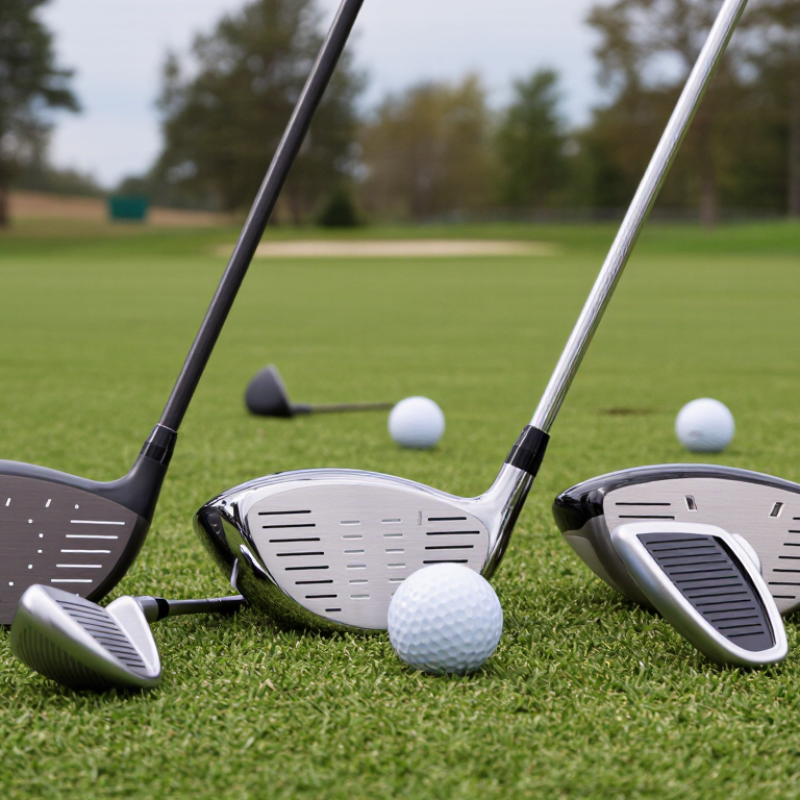
Before buying golf irons, define your actual skill level, not the player you hope to become. A beginner often benefits from wider soles, more forgiveness, and a larger hitting area. An experienced golfer may prefer sharper feedback and greater control. Be honest about your contact pattern. Watch the ball flight. A high handicap does not always require the most forgiving design, while a low handicap does not automatically need compact irons.
Swing speed matters, but it is only one part of the fitting process. A launch monitor can measure clubhead speed, ball speed, launch angle, spin, and carry distance. Use these numbers to compare iron options fairly. Faster swings may need different shaft weight and flex than slower swings. However, numbers need context. If the club feels heavy, your tempo may suffer, even when the data looks attractive. I once chose a shaft based mainly on distance. It felt impressive indoors, but my timing became inconsistent on the course.
Your playing goals should guide the final decision. Do you want higher shots, longer carries, tighter distance control, or confidence around greens? Test irons from realistic lies, not only perfect mats. Hit several shots, including mishits. Notice vibration, turf interaction, and how easily the ball launches. Ask a qualified fitter to explain the results rather than simply recommending a setup. If your swing changes during testing, record that too. It may reveal that your technique, not the iron, needs attention.
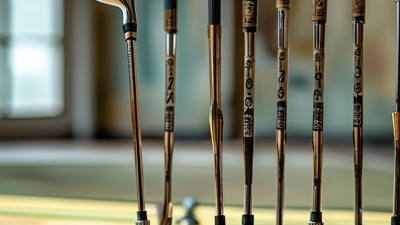
Choosing the right iron category matters more than chasing the newest design. Your swing, contact pattern, and typical miss should guide the decision.
Game-improvement irons suit golfers who often strike the ball low on the face or toward the toe. Their wider soles and larger cavities can produce steadier distance. Super game-improvement irons add more offset and launch assistance. They can help slower swingers, beginners, and players who struggle to carry hazards. The trade-off is clear. They may reduce workability and create a larger-looking head at address.
Players-distance irons offer a middle ground. They usually provide a slimmer profile, strong launch, and useful forgiveness. This category fits golfers who want a cleaner shape without giving up too much stability. Traditional players irons demand more consistent contact. They reward control but punish thin and heel strikes more severely. Blade-style irons are best tested carefully, not purchased for appearance alone.
Watch your actual misses.
A launch monitor can reveal whether your seven-iron launches too low, spins too little, or carries unevenly. During a fitting, hit shots after warming up, then repeat them when tired. That second group may reflect your course swing more honestly. I once favored a compact head because it looked precise, but my misses landed short and right. The category was wrong for my current ability. A mixed set can also work, with forgiving long irons and more compact scoring irons. Compare carry distance, dispersion, turf interaction, and confidence before choosing.
10 Tips for Buying the Best Golf Irons?
Choosing golf irons starts with the clubhead, not the paint or price. A wider sole can glide through soft turf and reduce digging. A thinner sole may suit a clean, shallow strike. Cavity-back heads usually offer more forgiveness, while compact heads provide sharper feedback. That feedback can expose poor contact quickly. I once judged a compact head too soon. Its feel was excellent, but my off-center shots lost too much distance.
Loft deserves careful attention because iron numbers are not standardized. A 7-iron with 30 degrees may fly differently from one with 34 degrees. Stronger lofts can increase distance, but they may create larger gaps near the wedges. Test carry distance, not just total distance. A launch monitor helps, yet outdoor testing reveals flight in real wind. Check whether the ball climbs easily and stops predictably.
Shaft weight and flex affect tempo, launch, and dispersion. A heavier shaft can calm a rushed swing, while a lighter option may improve speed. Flex labels are only guidelines. Your delivery matters more. Set composition also deserves honest review. Many players rarely need traditional long irons. Replacing them with easier-launching clubs can improve consistency. Build the set around useful distance gaps, especially between the longest iron and fairway club. Leave room for scoring wedges. The perfect setup may still feel imperfect after one round. Reassess it after several different lies.
Compare clubhead design, loft, shaft, and set composition before choosing an iron set.
The chart shows representative loft values commonly used across modern iron sets. Lower-numbered irons generally produce longer shots and lower launch, while higher-numbered irons provide higher launch and improved stopping control. When comparing irons, also consider cavity-back or muscle-back construction, shaft material and weight, lie angle, forgiveness, and whether the set includes long irons, hybrids, or specialty wedges.
Tip 1: Test forgiveness on mishits, not only perfect strikes. Hit several balls toward the toe and heel. Notice how far each shot travels and where it finishes. A forgiving iron should protect distance and direction reasonably well. Launch monitors reveal useful numbers, but outdoor testing shows the ball’s real flight.
Tip 2: Check distance control, not just maximum yardage. Stronger lofts can create impressive numbers, yet awkward gaps may appear between clubs. Ask for consistent carry distances. Bring your current seven-iron for comparison. This exposes exaggerated claims.
Tip 3: Pay attention to feel. A solid strike should feel stable, even when feedback is subtle. Softer is not always better. Some players need clear feedback to improve contact. I once chose an iron that felt wonderful indoors, but its flight looked too high outside. That mistake still influences my testing.
Tip 4: Get fitted for shaft length, lie angle, loft, and shaft weight. Your swing speed matters, but tempo matters too. A professional fitting can reveal whether a pull comes from technique or equipment. Ask the fitter to test several options without rushing.
Tip 5: Examine turf interaction. A wider sole may help through soft ground, while a narrower sole can suit firm conditions. Take practice swings from different lies. Comfort matters.
Tip 6: Compare partial shots. Full swings can hide poor control. Try a half-swing from 100 yards. Repeat it several times. Consistency often matters more than one perfect result.
10 Tips for Buying the Best Golf Irons?
Test, compare prices, and confirm long-term value before buying. The R&A and USGA Distance Insights Report found professional driving distance rose about 3% from 2003 to 2018. That statistic matters, but iron distance claims can mislead recreational golfers. Stronger lofts may create longer shots without improving control. Test a seven-iron on a launch monitor, then record carry distance, launch angle, spin, and dispersion. Do not judge one perfect swing.
Try several head shapes during the same session. Hit from grass if possible, not only a clean indoor mat. Notice turf interaction, sound, vibration, and confidence over a thin lie. A fitting professional can compare shaft weight and flex against your swing speed. Still, fittings are not infallible. Fatigue changes results. Repeat the test on another day.
Price comparisons should include the full set, fitting fees, replacement grips, and possible gapping problems. The National Golf Foundation reported 28.1 million U.S. on-course golfers in 2023, creating a large secondhand market. Check recent used prices before accepting a discount. A cheaper set may lose value quickly if the lofts leave awkward distance gaps. The Golf Datatech retail tracking reports show equipment demand varies by season, so waiting for ordinary sales can be sensible. Keep receipts and warranty terms. My own mistake was prioritizing a ten-yard gain over repeatable accuracy. That choice looked impressive on paper, then cost strokes.
| Tip | What to Check | Practical Test or Measurement | Useful Benchmark | Typical Price Range | Long-Term Value Indicator |
|---|---|---|---|---|---|
| 1 | Match the iron design to your skill level | Compare the sole width, offset, cavity design, and center of gravity with your typical strike pattern. | Higher-handicap players often benefit from wider soles, more offset, and perimeter weighting; lower-handicap players may prefer a thinner topline and less offset. | Approximately $500–$1,500 per set of 5–7 irons | A suitable design should improve consistency without requiring a major swing change. |
| 2 | Test shaft flex and weight | Hit several shots with different shaft weights and flexes while monitoring launch, dispersion, and swing comfort. | Choose the lightest shaft that maintains control; flex should support a stable launch rather than simply match a label. | About $0–$600 additional cost for upgraded shafts | The correct shaft can remain playable for years and may reduce the need for repeated equipment changes. |
| 3 | Compare distance consistency, not only maximum distance | Record at least 10 shots with the same iron and compare carry-distance averages and the shortest-to-longest spread. | A tighter distance range is generally more useful for approach shots than one unusually long result. | No extra cost when using a launch monitor or fitting session | Predictable yardages make club selection easier and can remain valuable even when swing speed changes. |
| 4 | Check launch angle and stopping power | Use a launch monitor to review launch angle, peak height, descent angle, and carry distance. | Many golfers need enough height and descent angle to hold greens; the ideal figures vary with loft, speed, and playing conditions. | Approximately $50–$150 for an independent launch-monitor session | Consistent trajectory is more durable value than a strong distance claim based only on stronger lofts. |
| 5 | Evaluate forgiveness across the face | Intentionally hit shots slightly toward the toe and heel, then compare ball speed, carry loss, and directional deviation. | Good forgiveness limits distance and accuracy loss on common off-center strikes. | Usually included in the set price | Forgiving irons can reduce lost strokes and remain useful as long as the golfer's miss pattern stays similar. |
| 6 | Verify loft and distance gapping | Measure the actual lofts or review the specification sheet, then test carry gaps between consecutive irons. | Many players benefit from fairly even carry gaps, often around 10–15 yards, although speed and loft determine the result. | About $30–$100 for loft and lie inspection | Consistent gapping prevents duplicate yardages and may reduce the need to buy extra specialty clubs. |
| 7 | Confirm lie angle and address position | Use impact tape, a lie board, or launch-monitor data to check whether the sole contacts the ground evenly. | The correct lie should support a neutral start direction; adjustments are commonly made in small increments by a qualified fitter. | Approximately $5–$15 per club for a basic lie adjustment | Proper lie angles can improve directional control and make future reshafting or loft checks more worthwhile. |
| 8 | Inspect build quality and condition | Check grooves, faces, ferrules, shafts, grips, and clubhead alignment for wear, cracks, bends, or uneven assembly. | Used irons should have functional grooves, secure heads, straight shafts, and grips that are not hardened or excessively worn. | New: about $500–$1,500; used: often $200–$900 | Well-maintained clubs with replaceable grips and standard components generally offer better repairability. |
| 9 | Compare total ownership cost | Add the purchase price, fitting fee, grip replacement, loft-and-lie checks, delivery, and possible reshafting costs. | Budget for approximately $10–$20 per grip replacement and periodic loft-and-lie verification when needed. | Typical maintenance: about $80–$250 over several seasons | A slightly higher initial price can be economical if the set needs fewer modifications and remains easy to service. |
| 10 | Review warranty, return terms, and resale potential | Read the written warranty, return window, fitting-adjustment policy, and availability of replacement parts before paying. | Prefer clear defect coverage, a reasonable return period, and commonly available shaft and grip specifications. | Return shipping and restocking fees may range from $0–$150 | Transferable value depends on condition, remaining usable life, standard specifications, and demand for the club type. |
Note: Prices are broad market estimates in U.S. dollars and vary by configuration, condition, fitting services, and sales period. Test results should be interpreted together with personal comfort, shot pattern, and playing goals.
Presidio Golf Course
300 Finley Road @ Arguello Gate
San Francisco 94129
P: 415.561.4661
MAP IT