
Choosing the right wine filter sheets in 2026 requires more than comparing micron ratings. A sheet may look efficient on paper yet clog quickly during a busy bottling day. It may also affect clarity, aroma, flow speed, and product loss. Practical selection starts with the wine itself: its turbidity, viscosity, alcohol level, and intended shelf life.
Reliable producers should provide technical data, batch consistency, and clear material information. Food-contact compliance matters. So do traceability and proper storage instructions. Cellulose-based sheets, depth-filter designs, and different retention grades serve different stages of filtration. A coarse sheet can remove visible particles, while a finer grade may help polish a bright, finished wine. However, finer is not automatically better. Excessive filtration can reduce flow and may influence delicate aromas.
Think about your equipment, too. Measure the plate size, gasket design, pump capacity, and expected volume before ordering. A small cellar may value low waste and easy handling. A larger facility may prioritize stable performance across repeated runs. In real use, records are essential. Note the starting clarity, pressure rise, filtration time, and final sensory result.
There is no universal “best” option. That claim deserves caution. A filter sheet that works beautifully for Chardonnay may perform poorly with a cloudy red. Testing a small batch remains wise, even when the supplier has an excellent reputation. This guide explains the key specifications, quality checks, and practical questions to ask before purchasing wine filter sheets in 2026.
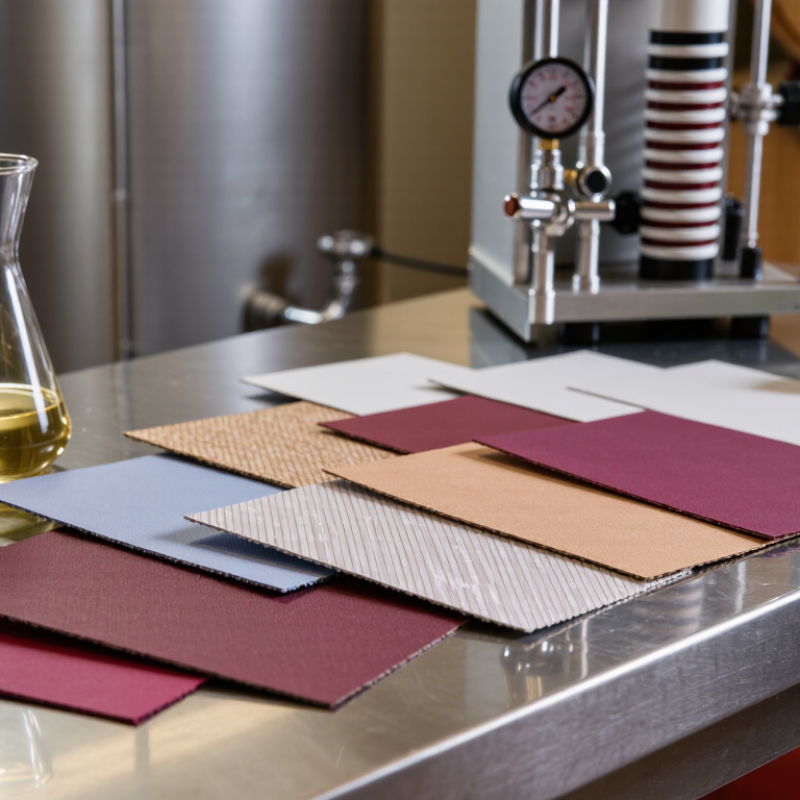
Wine filter sheets differ by material, pore structure, and intended filtration stage. Cellulose-based sheets provide depth filtration, trapping yeast, sediment, and fine particles inside their layered fibers. They are often suitable for rough or polishing filtration. Polypropylene sheets offer stronger chemical resistance and lower fiber shedding. Choose carefully.
Filtration works through several principles. Depth filtration captures particles throughout the sheet, while surface filtration holds particles mainly on the outer layer. Finer sheets can improve brightness, but they may clog quickly when wine contains heavy lees. Check the nominal or absolute micron rating, not only the product description. A lower micron rating does not always mean better wine. Excessive pressure can compress the sheet and change flow behavior. That detail is easy to miss.
Tips: Start with a coarse sheet, then use a finer grade if needed. Always wet the sheets with clean water or compatible wine before use. Inspect the first filtered volume for paper taste, cloudiness, or unusual color. Keep records of pressure, flow rate, wine temperature, and filter performance. In practice, the same sheet can behave differently with red wine, white wine, or sweet wine. My own preference is to run a small trial first, because laboratory ratings rarely predict every cellar condition.
How to Choose Wine Filter Sheets in 2026?
Filter sheets should match the wine style, not only the pump capacity. For young red wine, start with a coarser depth sheet. It can reduce yeast and visible particles while protecting color and tannin. Mature reds need caution. Excessive filtration may flatten texture and remove aromatic compounds. White and rosé wines usually require finer clarification, especially before bottling. Sparkling wines demand low particle release and reliable microbial control. Always check the sheet’s nominal retention rating, flow rate, and compatibility with the wine’s pH and alcohol level.
The International Organisation of Vine and Wine reported global wine production at about 237 million hectoliters in 2023. Its 2024 sector report also recorded historically weak consumption. This makes avoidable product loss more expensive. A sheet that blocks too quickly can waste wine and increase oxygen exposure during repeated handling. The IWSR’s 2024 no- and low-alcohol study forecast strong category growth through 2027. These delicate products often need gentler clarification and careful aroma protection. Their lower alcohol content can also change filtration behavior.
Test first.
In practice, I would run a small sample through the selected sheet. Measure turbidity, sensory intensity, flow decline, and dissolved oxygen before and after filtration. A perfectly clear sample is not always the best sample. I have seen bright wines lose freshness after an unnecessarily tight filtration step. The better decision balances stability, appearance, yield, and the wine’s intended drinking experience. Data sheets help, but cellar trials reveal the uncomfortable details.
The chart shows practical target retention ranges for depth filter sheets. Coarser sheets help protect flow and preserve delicate character, while finer or sterile-grade filtration provides stronger clarity and microbial-risk control. Actual selection should be confirmed with the wine’s turbidity, stability, viscosity, and pre-filtration condition.
Choosing wine filter sheets in 2026 requires more than selecting the smallest pore size. In the cellar, I begin with the wine’s turbidity, alcohol level, and intended shelf life. A coarse sheet around 3–5 micrometres can remove visible particles while preserving flow. Finer sheets, often near 0.5–1 micrometres, improve brilliance but may load quickly. The International Organisation of Vine and Wine reported global wine production at about 225.6 million hectolitres in 2024, showing why efficient, repeatable filtration remains important across large and small operations.
Material affects both performance and risk. Cellulose-based sheets are widely used for depth filtration and can retain suspended solids through their internal structure. Sheets containing mineral filter aids may increase dirt-holding capacity, but they require careful handling and validated rinsing. For sensitive wines, I check extractables, wet strength, and compatibility with cleaning procedures. A certificate alone is not enough.
Flow rate should be measured under actual cellar conditions, not copied from a catalogue. Temperature, pressure, viscosity, and pre-filtration all change the result. Technical guidance from the Australian Wine Research Institute stresses that filtration must be matched to wine composition and microbial objectives. A practical trial helps: filter one small batch, record litres per square metre, pressure rise, and sensory changes. Clear wine can still lose aroma. I have seen that happen. Pore size is only one variable, and sometimes the “best” sheet is simply the one that reaches stable clarity without excessive pressure or needless wine loss.
Choosing wine filter sheets in 2026 starts with the equipment, not the sales description. Measure the filter plate, gasket contact area, and sheet thickness before ordering. A poorly fitted sheet can bypass filtration or create uneven pressure. Check the housing’s approved sheet format and maximum operating pressure. Small details matter. From production trials, I have found that compatibility failures often appear during final clarification.
Wine conditions matter just as much. Record turbidity, temperature, alcohol level, acidity, and colloidal load. A dense, young red may need a different retention level from a finished white. Cold wine can flow slowly, while warm wine may expose weak seals more quickly. Ask whether the sheet suits prefiltration, polishing, or sterile filtration. Do not select by pore rating alone. That shortcut can mislead. Test it cold.
Request technical data, food-contact documentation, batch traceability, and recommended flow ranges. Run a small, controlled trial with the actual wine and equipment. Measure flow rate, pressure rise, clarity, aroma, and any flavor change. Keep the first trial modest. I once treated a laboratory result as final evidence, but the cellar trial behaved differently. That mistake still deserves attention. Repeat testing when the wine or filtration temperature changes. Record each result beside the sheet lot number and operating conditions.
How to Choose Wine Filter Sheets in 2026?
Choosing wine filter sheets requires more than checking pore size. In practical cellar trials, sheets with similar ratings can produce different flow rates and clarity. Record filtration time, pressure, and wine loss during a controlled test. A clean taste matters too. Some sheets may remove useful aroma compounds, especially when filtration pressure rises. That detail is easy to miss.
Certification supports confidence, but certificates need careful reading. Check food-contact compliance for your market, batch traceability, and a current certificate of analysis. Quality management certification can indicate disciplined production, but it does not prove every sheet performs well. Ask for test methods, not only impressive documents. No test is perfect. Your wine still needs evaluation.
Cost should include shipping, storage, labor, downtime, and rejected batches. A cheaper carton may become expensive if sheets break or clog early. Request samples from the same production lot before making a larger purchase. Supplier reliability also depends on response speed, technical support, and honest lead-time updates. Ask how complaints are investigated and whether replacement procedures are documented. I would keep these records, although small producers may find the paperwork burdensome. That weakness deserves attention. A dependable supplier should explain material composition, packaging conditions, and shelf life without vague answers. Consider a second approved source when seasonal demand makes delays costly.
Practical comparison of commonly used depth-filter sheet grades for wine clarification and polishing. Performance and pricing are indicative because actual results depend on wine composition, filter area, operating pressure, sheet format, and supplier specifications.
| Filter Sheet Grade | Typical Application | Typical Retention Range | Clarification Performance | Pressure and Flow Considerations | Certification and Documentation to Request | Indicative Cost USD/m² | Supplier Reliability Checklist |
|---|---|---|---|---|---|---|---|
| Coarse depth sheet | Pre-filtration of young wine; removal of larger suspended particles, lees, and coarse solids. | Approximately 10–25 µm nominal, depending on construction and test method. | ★★★★☆ High solids-holding capacity; limited polishing effect. | Usually offers high throughput and relatively low initial pressure drop. Suitable as the first stage in a multi-stage process. | Food-contact declaration; material composition; extractables or migration information where applicable; batch traceability. | $3–$8 | Confirm consistent sheet dimensions, packaging integrity, lot records, and published flow or pressure-drop data. |
| Medium clarification sheet | General clarification before fine filtration or bottling preparation. | Approximately 3–10 µm nominal. | ★★★★★ Balanced clarification and dirt-holding capacity for many still wines. | Moderate flow rate and pressure increase. Monitor differential pressure to avoid premature blinding. | Food-contact compliance for the destination market; certificate of analysis; fiber and binder information; production-lot identification. | $5–$12 | Look for repeatable performance data from multiple lots and a documented complaint and corrective-action process. |
| Fine polishing sheet | Final clarification of bright still wine before sterile or membrane filtration. | Approximately 1–3 µm nominal. | ★★★★★ Strong visual polishing; lower solids capacity than coarse and medium grades. | Requires clean, pre-clarified wine. Higher pressure rise is possible if upstream solids are not adequately removed. | Food-contact declaration; validated retention or performance information; extractables data; certificate of analysis for each lot. | $8–$18 | Verify technical support, application trials, recommended operating limits, and availability of retained samples for investigations. |
| Very fine polishing sheet | High-clarity finishing step for wines requiring low visible turbidity before final membrane filtration. | Approximately 0.5–1 µm nominal; not automatically equivalent to sterilizing-grade filtration. | ★★★★☆ Very good particulate removal when the wine is already well clarified. | Lower throughput and faster fouling are common. Use controlled flow and differential-pressure monitoring. | Destination-market food-contact documentation; validated test method; batch traceability; statement of intended use. | $12–$25 | Supplier should provide clear limits for pressure, temperature, flow, storage, and recommended pre-filtration. |
| Activated-carbon-containing sheet | Specialized treatment for selected color, odor, or contaminant-reduction applications. | Particle retention varies; adsorption performance is application-specific and should not be inferred from pore rating alone. | ★★★☆☆ Potentially useful for targeted treatment, but may affect aroma, color, or flavor. | Can have higher pressure drop and limited capacity. Conduct a controlled bench trial before production use. | Food-contact declaration for all components; carbon specification; contaminant and extractables information; lot-specific analysis. | $15–$35 | Require application data, change-control records, storage conditions, and technical guidance on dosage or contact time. |
| Synthetic-fiber depth sheet | Applications requiring low fiber shedding, greater wet strength, or compatibility with specific process conditions. | Commonly available from sub-micron to coarse grades, depending on fiber structure. | ★★★★☆ Can provide stable mechanical strength and predictable handling when properly specified. | Flow behavior differs from cellulose sheets. Confirm wet strength, pressure limits, and compatibility with sanitization procedures. | Material identity; food-contact declaration; migration or extractables data; temperature and chemical compatibility information. | $10–$30 | Check technical consistency, supply continuity, minimum order quantities, and documented change notification. |
| Cellulose-based sheet | Widely used for conventional clarification and polishing in filter presses. | Available across coarse, medium, fine, and very fine grades. | ★★★★★ Broad grade selection and strong solids-holding capability. | Generally easy to operate, but performance changes with wine viscosity, solids loading, and sheet compression. | Food-contact declaration; fiber and additive disclosure; allergen or GMO statement when relevant; certificate of analysis. | $3–$25 | Prioritize lot-to-lot consistency, moisture-protected packaging, stable lead times, and accessible technical support. |
| Mixed-fiber sheet | Processes seeking a balance between depth, strength, flow rate, and fine-particle retention. | Grade-dependent; commonly specified by nominal retention rather than material type alone. | ★★★★☆ Performance can be optimized, but specifications must be reviewed carefully. | Operating limits vary significantly. Use the supplier’s recommended flow rate and maximum differential pressure. | Complete composition statement; food-contact compliance; performance test method; traceability and change-control documentation. | $8–$28 | Ask for a technical data sheet, quality agreement, sample approval process, and documented replacement policy. |
Presidio Golf Course
300 Finley Road @ Arguello Gate
San Francisco 94129
P: 415.561.4661
MAP IT