How to Choose the Right Golf Club for Your Game?
Choosing the right golf club can be overwhelming. There are various types and brands available. Each golf club serves a different purpose, making your selection crucial.
When selecting a golf club, consider your skill level. Beginners might prefer lighter clubs, while experienced players may seek advanced options. It's important to test different clubs to find the right fit for your swing. Visiting a local pro shop can help you understand your choices better.
Take into account your personal playing style. Are you more aggressive or strategic on the course? This preference influences your club selection. Don't hesitate to seek advice from seasoned players. Reflect on your experiences with each club to adjust your choices in the future. Remember, the right golf club enhances your game.
Understanding the Different Types of Golf Clubs and Their Uses
Choosing the right golf club can greatly impact your game. Understanding the different types of clubs is essential. There are three main categories: woods, irons, and putters. Each has a specific purpose and design suited to various situations on the course.
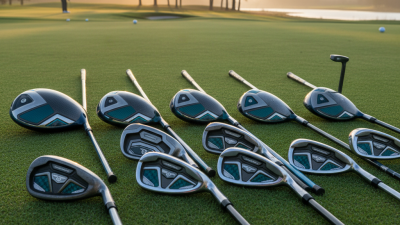
Woods are typically used for long-distance shots. They have larger clubheads and longer shafts. This helps generate speed and distance.
Irons, on the other hand, are more versatile. They come in numbered sets, allowing for precision. The lower numbers are for longer shots, while higher numbers help with accuracy.
Putters are crucial on the green. They are used to make those final, delicate strokes. Choosing the right putter can be challenging, as feel and touch vary from player to player.
Selecting a club also involves personal reflection. Experimenting with different styles can show what feels best. Some players struggle to find their ideal set. It can be tempting to follow trends, but each player's game is unique. Prioritizing comfort and confidence is vital.
Evaluating Your Skill Level and Playing Style for Club Selection
Choosing the right golf club can be challenging. It's essential to evaluate your skill level and playing style. Beginners should opt for more forgiving clubs. They often need help with accuracy and consistency. These clubs help improve confidence while learning the game.
Intermediates might focus on a balance of distance and control. These players usually have a sense of their strengths and weaknesses. They may need to reflect on their swing and shot patterns. More experienced players often look for specific attributes in clubs. They might seek a club that complements their natural tendencies. These players must frequently assess their own performance.
Your playing style significantly influences club choice. Aggressive players may prefer clubs that offer distance. Strategic players might favor more control and precision. It’s crucial to consider how you play typically. Each swing is a learning opportunity. Not every club will suit your needs perfectly, and that’s okay. Adapting and reflecting on choices is part of the journey.
Choosing the Right Golf Club Based on Skill Level and Playing Style
This bar chart illustrates the recommended number of golf clubs based on different skill levels. Beginners typically require fewer clubs, while advanced players might benefit from a more extensive selection to suit their playing style.
How to Test and Fit Golf Clubs for Comfort and Performance
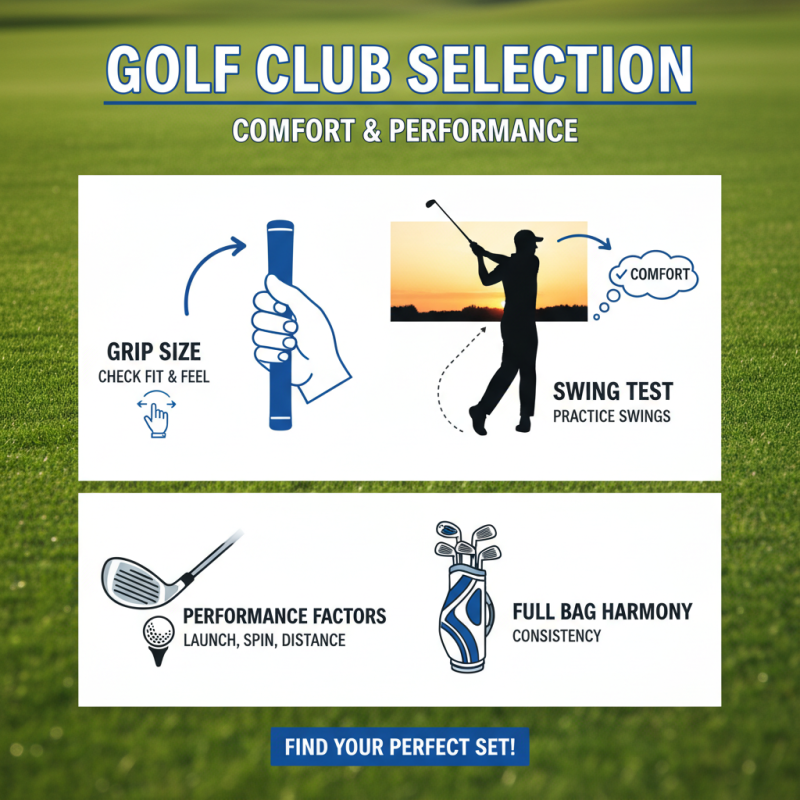
When selecting the right golf clubs, comfort and performance are essential. Testing a club involves several aspects. First, check the grip size. It should feel comfortable in your hands. A grip that’s too large or too small can impact your swing. Take note of how it feels during practice swings.
Next, consider the weight of the club. Swing it a few times. Does it feel heavy or light? Your choice matters. A club that's too heavy can lead to fatigue. Conversely, a very light club might affect your control. Pay attention to how your body responds after several swings.
Lastly, assess your individual swing style. Everyone is different. Some might need more flexibility in their shafts. Others may prefer a stiffer shaft. Spend time testing various options. Reflect on which feels best for you. Sometimes, the first choice isn’t the best one. It’s a process that requires patience and careful thought. Always remember, your comfort directly translates into better performance on the course.
The Importance of Club Specifications: Loft, Lie, and Shaft Flex
Choosing the right golf club is more than just picking what's shiny. The specifications play a vital role in how clubs perform. Loft, lie, and shaft flex are key components every golfer should understand.
Loft affects the angle of the clubface. A higher loft means a higher launch, which is useful for shorter shots. For longer shots, lower loft helps with distance. It's crucial to match the loft to your swing style. Have you noticed your ball flight? If low, maybe consider adjusting your loft.
Lie angle is equally important. This angle affects how the club hits the ground at impact. If the lie is too flat or too upright, your shots can go askew. Understanding how your stance influences this angle can help. Check your ball's direction. If it's curving unwanted, reflect on your lie angle adjustments.
Shaft flex determines how much the club bends during your swing. Is your swing slow? A more flexible shaft could enhance distance and accuracy. Fast swings might need a stiffer shaft. The right flex will boost performance. Consider this: Are you compensating for a mismatch? Small changes can make a big difference.
How to Choose the Right Golf Club for Your Game?
| Club Type |
Loft (Degrees) |
Lie Angle (Degrees) |
Shaft Flex |
| Driver |
8.5 - 12 |
58 - 60 |
Regular, Stiff, X-Stiff |
| Iron |
20 - 45 |
60 - 62 |
Regular, Stiff |
| Wedge |
46 - 60 |
62 - 64 |
Regular, Stiff |
| Putter |
3 - 5 |
68 - 70 |
None |
Budgeting for Golf Clubs: Finding Quality Options Without Breaking the Bank
When budgeting for golf clubs, many golfers worry about quality. The average golfer spends between $300 and $800 on a full set of clubs. However, you don’t have to break the bank to find high-quality options. Research suggests that buying last year’s models can save you up to 30%. Many experienced players still use these models because they perform well.
Consider second-hand clubs. Reports indicate that buying used gear can save you 50% or more. However, make sure the clubs are in good condition. Look for signs of wear but remember, some scratches do not affect performance. It’s essential to feel comfortable with your clubs. Testing them is crucial to avoid buyer’s regret.
Prioritize what you need the most. Drivers and putters can significantly influence your game. It’s okay to invest a bit more in these essentials. But don’t overlook the importance of wedges and irons. They’re vital for your short game. A balanced set can enhance your skills. Research shows that a well-fitted set can improve accuracy by 15%. Being mindful of your budget and making informed choices can lead to better performance on the course.