Choosing the right golf lessons in 2026 requires more than comparing hourly prices. It requires evidence, fit, and a measurable plan. The R&A’s Global Golf Participation Report 2023 recorded 66.6 million adult golfers at traditional facilities worldwide. That expanding audience increases demand for qualified, adaptable instruction. The National Golf Foundation also reported 26.6 million on-course golfers in the United States during 2023. More players mean more teaching options, but not necessarily better choices.
Look for instructors with recognized PGA or LPGA credentials, current safeguarding standards, and visible student outcomes. A strong coach should watch your ball flight, grip, posture, and decision-making. Not just your swing. Ask whether the first session includes an assessment, video feedback, and practice drills you can repeat at home. A launch monitor may reveal club speed and spin, yet technology cannot replace clear communication. David Leadbetter’s familiar warning remains useful: “There are no shortcuts in golf.” His point is simple. Progress needs structured practice.
The best golf lessons should also match your goal. A beginner needs confidence and contact. A competitive player may need course strategy and pressure routines. Consider lesson length, cancellation terms, equipment access, and follow-up support. Read independent reviews carefully; glowing testimonials can hide limited evidence. I would also question any coach promising dramatic results in one session. That sounds attractive, but it deserves scrutiny. The right choice may feel less exciting: a patient instructor, a written plan, and small improvements you can repeat on a windy Saturday.
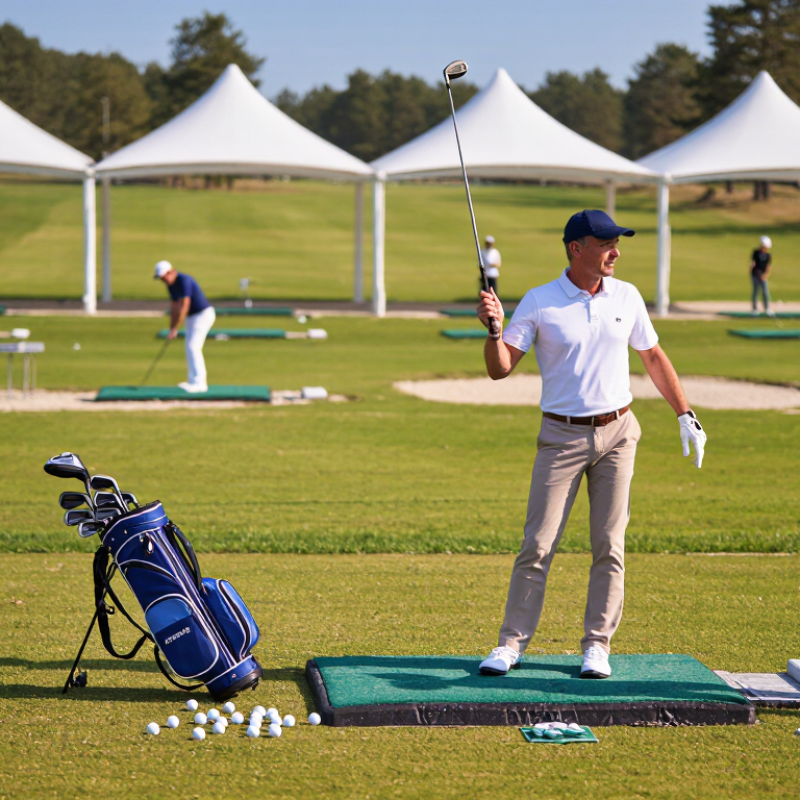
How to Choose the Best Golf Lessons in 2026?
Define your golf goal before comparing instructors. Do you want fewer three-putts, longer drives, or confidence under pressure? A clear target makes each lesson measurable. The National Golf Foundation reported 28.6 million U.S. on-course golfers in 2023. That wide range of players needs different learning paths, not identical swing advice.
Your current skill level matters. A beginner may need grip, posture, contact, and basic rules. A lower-handicap player may need launch data, course strategy, and pressure practice. Ask how the instructor evaluates you. A reliable lesson should include observation, simple explanations, and a practice plan you can repeat at home. It should not depend on technical language alone. Keep a record of carry distance, fairways hit, and penalty shots. Numbers expose progress. Sometimes, they expose poor goals.
The R&A’s Golf Around the World report identified 66.6 million adult golfers across 206 countries. This growth makes lesson quality harder to judge. Request a sample session or ask how progress is reviewed after four weeks. Prioritize your learning style, available practice time, and comfort with video or launch-monitor feedback. I would question any promise of instant results. My own preference is steady improvement, although even that approach can become too cautious. A good coach should challenge your habits without overwhelming you. Short drills help. Reflection matters more than collecting tips.
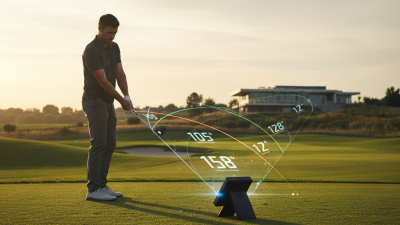
Define your golf goals, skill level, and learning priorities before selecting a lesson format.
This five-point planning rubric shows which lesson areas deserve the most attention for common golf goals. Beginners typically benefit from fundamentals and short-game skills, while experienced players often gain more from shot consistency and on-course strategy. Use the scores as a practical starting point and adjust them after a skills assessment.
Choosing golf lessons in 2026 starts with matching the format to your habits, schedule, and budget. The R&A’s 2023 Global Golf Participation Report counted 66.6 million adult golfers across 206 countries, excluding the United States, Canada, and Mexico. More players mean more lesson choices, but not necessarily better instruction. Private lessons suit golfers needing precise feedback on grip, alignment, and contact. Small groups add social energy and may reduce costs. Online coaching offers convenience, yet a phone cannot always reveal poor balance or pressure movement. I have seen clear videos fail when learners lack a repeatable practice routine. That matters.
Compare coaching methods, not only prices. A qualified coach should observe your ball flight, ask about your goals, and explain one priority at a time. Video analysis can show an open clubface, while launch-monitor data can measure carry distance and dispersion. Useful numbers. They can also distract beginners. Ask how feedback will change your next ten swings. Motor-learning research generally supports varied practice after basic movement control develops. Mix targets, clubs, and lies instead of repeating one perfect-looking shot.
Practice options should be clear before payment. The National Golf Foundation’s 2024 participation reporting shows continued US interest in on-course and off-course golf. Many facilities now offer ranges, short-game areas, and simulators. Choose a plan with a realistic practice location. Try ten chips, fifteen half-swings, and five fairway targets. Keep a simple log. Mine is imperfect, and that honesty helps. If your first-tee routine remains rushed, the coaching plan needs revision.
| Lesson Format | Typical Session Length | Coach Feedback | Personalization | Typical Cost Pattern | Practice Needed Between Sessions | Best For | Main Limitation |
|---|---|---|---|---|---|---|---|
| One-to-One In-Person Lesson | 30–60 minutes | Immediate, detailed feedback on grip, setup, swing, short game, and ball flight | ★★★★★ Very high | Usually the highest cost per golfer because the coach works with one student | Two or three focused practice sessions per week, with a specific drill plan | Beginners who want structure, golfers correcting a persistent fault, and players preparing for competition | Higher cost and progress depends on the quality of practice between lessons |
| Semi-Private Lesson | 45–60 minutes | Direct feedback, although attention is shared with one other golfer | ★★★★☆ High | Lower cost per golfer than a private lesson; the total session fee is commonly shared | Practice the same fundamentals individually and compare progress with the lesson partner | Friends, couples, family members, or golfers with similar goals and ability | Different swing problems can reduce the amount of individualized attention |
| Small-Group Lesson | 60–90 minutes | General instruction with periodic individual corrections | ★★★☆☆ Moderate | Usually a lower per-person cost than private instruction | Regular range practice using the group’s shared drills and checkpoints | New golfers seeking an affordable introduction and social learners | Less time for personal diagnosis and slower correction of individual faults |
| On-Course Playing Lesson | 9 holes or approximately 2–3 hours | Feedback on club selection, alignment, lie management, strategy, pace, and decision-making | ★★★★☆ High | Often costs more than a standard range lesson because of the longer time commitment | Play regularly and record decisions, penalties, approach distances, and short-game outcomes | Golfers who strike the ball reasonably well but struggle to score on the course | Less time is available for repeated technical swing practice |
| Live Online Video Lesson | 30–60 minutes | Real-time verbal feedback based on camera angles, swing recordings, and questions | ★★★★☆ High | Often less expensive than travel-based in-person instruction, depending on the coach and session length | Requires a suitable camera setup, a safe practice space, and uploaded or live swing footage | Golfers who need scheduling flexibility or do not live near a suitable instructor | Camera position, lighting, internet quality, and limited ball-flight information can affect analysis |
| Asynchronous Video Analysis | Submission-based; commonly reviewed within an agreed response window | Written or recorded feedback on submitted swings, often with drills and checkpoints | ★★★☆☆ Moderate to high | Generally priced below live one-to-one coaching, although review depth varies | Repeat the assigned drills, film follow-up swings, and compare changes over time | Self-directed golfers who can record clear face-on and down-the-line videos | No immediate questioning or live adjustment during the swing |
| Beginner Course or Multi-Week Program | Several sessions over 4–8 weeks | Progressive feedback covering fundamentals, safety, rules, etiquette, and basic play | ★★★☆☆ Moderate | Usually sold as a package, making the per-session cost predictable | Short, frequent practice sessions are more effective than occasional long sessions | Complete beginners who benefit from a clear learning sequence and regular routine | Fixed schedules may not match every student’s pace or specific technical needs |
| Specialist Short-Game Session | 45–90 minutes | Focused feedback on putting, chipping, pitching, bunker shots, distance control, and green reading | ★★★★☆ High | Similar to other focused coaching sessions; facility access may affect the total cost | Use varied lies and distances, and track proximity or three-putt results rather than only technique | Golfers losing strokes around the green or needing a fast scoring improvement | Does not address full-swing or on-course strategy problems by itself |
| Comparison note: Prices, session lengths, and availability vary by location, facility type, coach experience, and whether practice facilities are included. For the best result, choose a lesson format that matches your current skill level, primary scoring problem, schedule, budget, and ability to practice consistently. | |||||||
Instructor qualifications deserve careful attention. Look for recognized coaching credentials, continuing education, and practical knowledge of golf mechanics. A certificate alone does not guarantee effective teaching. Ask how the instructor diagnoses swing faults and adapts drills for different bodies and skill levels. Experience matters too. A coach who has taught beginners, juniors, and competitive players may offer broader judgment. Ask for specific examples, not vague promises. A polished swing video proves little.
Teaching style should fit your learning habits and goals. During a trial lesson, notice whether the instructor explains clearly, listens patiently, and gives feedback you can repeat. Some golfers prefer detailed technical analysis. Others learn better through simple images and physical demonstrations. Effective coaches often combine both approaches. Watch how they respond after a poor shot. Do they blame you, or adjust the exercise? I once chose a coach because of an impressive playing record, but the lessons felt rushed and confusing. That was my mistake.
Reliable instruction includes realistic planning. A responsible instructor asks about your schedule, fitness, previous injuries, and scoring goals before prescribing drills. They should explain how progress will be measured, such as improved contact, launch consistency, or course decisions. Check independent reviews carefully, and speak with a current or former student when possible. Be cautious of guaranteed score improvements. Golf rarely follows a perfect timetable. The best fit may feel less exciting at first, yet their feedback should remain consistent, respectful, and evidence-based.
Lesson prices can differ sharply by instructor experience, location, and session length. Compare the effective hourly cost, not only the advertised package price. A four-lesson package may look cheaper, but unused sessions can become expensive. Ask whether video analysis, practice access, equipment, and rescheduling are included. Confirm cancellation rules in writing.
Location affects learning quality. A nearby practice facility encourages regular attendance, while a distant academy may reduce consistency. The National Golf Foundation reported 45 million American golfers in 2023, including on-course and off-course participants. That growth may increase demand for convenient lesson times. Check travel time during your actual weekday schedule. A beautiful facility is not always practical.
Schedules should match recovery, work, and playing habits. Morning lessons may suit focused practice, while evening sessions can feel rushed. The R&A’s 2024 Golf Around the World report counted about 66.6 million golfers across 206 countries. This wide participation supports varied lesson formats, including individual, group, and remote coaching. Still, packages need measurable goals, such as improving contact or reducing slices.
My own mistake was buying a long package before testing one lesson. I ignored teaching style. That was costly.
Ask how progress is measured, who teaches each session, and whether the package remains valid during weather disruptions. Trial lessons reveal more than polished websites.
The best golf lesson is not always the most expensive one. It should match your goals, schedule, confidence, and current swing. The R&A’s Global Golf Participation Report 2023 recorded 66.6 million on-course golfers across 206 countries. That growth creates more choices, but also more confusion. A serious program should explain its teaching method, measure progress, and adjust practice tasks after each session.
Test the program before committing. Ask for a clear first-lesson plan, including video feedback, skill testing, and realistic practice targets. Notice the details. Does the instructor watch your grip, balance, ball flight, and decision-making? Do they explain the reason behind each change?
The National Golf Foundation’s 2024 industry reporting shows continued participation growth in the United States, making flexible coaching increasingly important. Still, growth does not guarantee quality. My own imperfect view is simple: a technically correct lesson can fail if the student cannot repeat it under pressure.
Tips: Book one trial lesson first. Bring your usual clubs. Record three baseline shots. Ask what success should look like after four weeks. Reassess after three sessions, not one. If every fault receives the same correction, pause. If practice feels confusing, say so. A good coach welcomes that feedback and changes the plan. Track carry distance, contact quality, confidence, and course decisions. Scores matter, but they can hide useful progress.
Presidio Golf Course
300 Finley Road @ Arguello Gate
San Francisco 94129
P: 415.561.4661
MAP IT