
Choosing the right golf course can significantly affect your game. Renowned golf instructor, David Leadbetter, once said, “The right course challenges you yet remains enjoyable.” This statement captures the essence of selecting a golf course that aligns with your skill level and objectives.
When considering a golf course, think about the layout and environment. Are the greens well-maintained? Does the course fit your playing style? Some golfers prefer a challenging track, while others seek a more relaxed experience. It’s important to reflect on what you truly desire from your game.
Don’t overlook basic factors. The location and accessibility matter, too. A hidden gem might be nearby, less crowded than popular options. Ask yourself: Is this course within my reach? Taking time to explore different courses can lead to discovering your perfect match, one that not only helps improve your game but also brings joy and satisfaction.
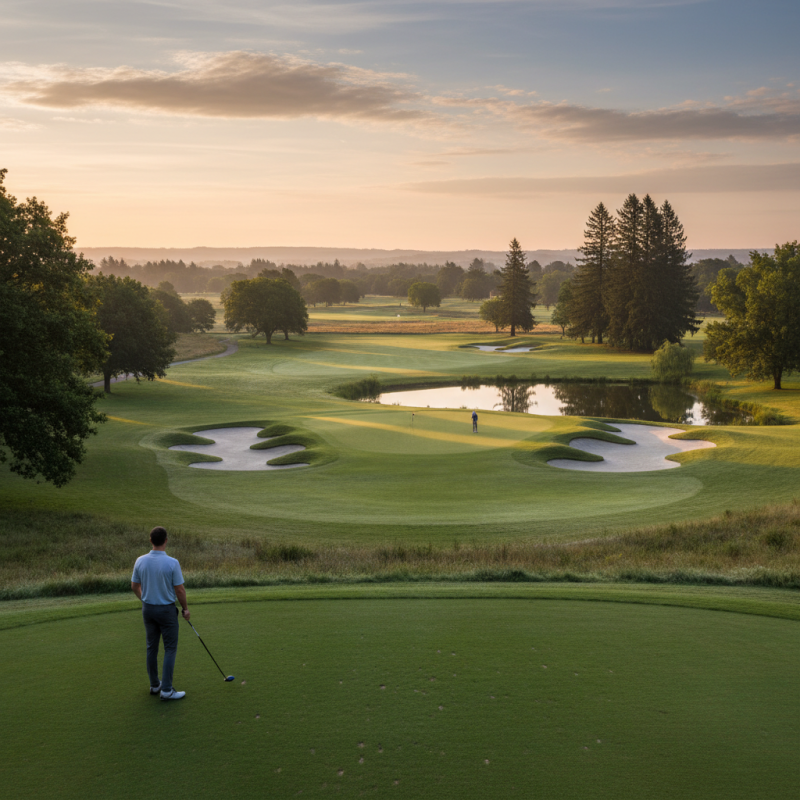
Choosing the right golf course starts with understanding your skill level. Beginners may find bigger, open courses less intimidating. They can focus on improving their swing and getting comfortable with their game. Intermediate players, on the other hand, might enjoy courses that challenge their strategic thinking. A good course will offer various pin placements and different types of hazards.
Tips: Test a few different courses. Take note of what suits your play style. If you dislike water hazards, avoid courses with many lakes. For those with a strong short game, seek out courses with quirky greens. They can enhance your skills in real-world situations.
Your playing style significantly influences your course choice. Distance hitters might thrive on long courses with par-fives. A player who relies on precision may prefer shorter layouts with narrow fairways. Reflect on your game. Do you panic under pressure, or do you relish challenges? This reflection can lead to better course choices, ultimately enhancing your enjoyment on the green.

When choosing a golf course, pay attention to specific features. The course layout can greatly impact your game. Look for a mix of challenging holes and forgiving ones. This balance can enhance your experience. Some courses feature water hazards or bunkers that test skills. Others have wide fairways that allow for more forgiving play.
Consider the condition of the greens. Well-maintained greens roll smoothly and can improve your putting game. It's frustrating to play on bumpy surfaces. Also, evaluate the course’s strategic design. Courses with varied tee boxes can cater to different skill levels. This adaptability helps to maintain your interest over time.
Look at the overall atmosphere of the course. Friendly staff and a welcoming environment make a big difference. Sometimes, the vibe might not fit your expectations. Reflect on what aspects are most important to you. A beautiful landscape can uplift your spirits, but it shouldn’t overshadow gameplay quality. Balance aesthetics with practical player needs for a fulfilling golf experience.
| Feature | Description | Importance | Example Value |
|---|---|---|---|
| Course Layout | The design and arrangement of holes and hazards. | Affects play strategy and enjoyment. | Par 72 layout with 4 par-3s, 10 par-4s, 4 par-5s |
| Greens Condition | Quality and maintenance of putting greens. | Impact on putting experience and scoring. | Fast and true, maintained daily |
| Accessibility | Ease of getting to the course. | Affects frequency of visits and convenience. | Less than 30 minutes from major town |
| Facilities | On-site amenities like clubhouse, practice areas, and restrooms. | Enhances overall experience for players. | Full-service restaurant, driving range, locker rooms |
| Cost | Green fees and membership options. | Determines accessibility for different budgets. | $50 for 18 holes, membership starting at $1,200/year |
When choosing a golf course, the layout and difficulty level play crucial roles. A course with varied terrain offers interesting challenges. Consider how many hazards are present. Water features and sand traps can test your skills. Flat, open courses might seem easy but can be deceptive. Look for elevation changes that add complexity.
Also, measure your skill level against the course's rating. A course rated for advanced players may overwhelm less experienced golfers. Don’t hesitate to try different layouts. You might discover strengths you didn’t know you had. Round after round, some holes will frustrate you. Reflect on these challenges. They are opportunities for growth.
Think about the overall environment as well. Courses with beautiful scenery can enhance your experience. Yet, some layouts might feel uninviting or overly complicated. Your comfort level matters. Finally, always seek feedback from other golfers. Their insights can guide your choices. Enjoy the journey as much as the game itself.
Choosing a golf course is more than just looking at the greens. Amenities and services can significantly enhance your experience. A well-maintained driving range is a must for warm-up. Access to putting greens can also be beneficial. Look for courses that offer quality practice facilities.
Dining options at the clubhouse matter too. A good meal after a round can be refreshing. Some courses provide outdoor seating with scenic views. Others might offer a cozy atmosphere. Check if the menu caters to different dietary preferences. This attention to detail can make your day more enjoyable.
Don’t overlook additional services. Golf lessons can help improve your game. Equipment rentals should be readily available. Some places even offer caddies for personalized guidance. Ask about tournament scheduling if you enjoy competition. It’s essential to find a course that aligns with your needs and preferences. Remember, not every course will meet all your expectations. Being open-minded can lead to delightful surprises.
When choosing a golf course, reviews from other golfers can be invaluable. Many players rely on these first-hand experiences to find the perfect location for their game. According to a survey by the National Golf Foundation, 68% of golfers look for peer reviews before deciding where to play. This statistic shows how impactful word-of-mouth can be in the golfing community.
Reading reviews can reveal hidden gems and pitfalls. A course may look stunning in advertising but could have poorly maintained greens or slow play times. In a recent report, 45% of golfers expressed frustration with slow rounds, emphasizing the need for honest assessments. Look for comments about pace of play and overall course conditions. You want a course that complements your skill level and playing style.
Recommendations from fellow golfers also matter. They can guide you to places that might not be well-known but offer great experiences. However, individual preferences vary widely. What works for one golfer may not work for another. Taking personal recommendations into account is vital, but always balance them with your own playing style and expectations. A course should align with your enjoyment and improvement, not just someone else’s opinion.
Presidio Golf Course
300 Finley Road @ Arguello Gate
San Francisco 94129
P: 415.561.4661
MAP IT