How to Choose the Best Golf Clubs for Your Game?
Choosing the best golf clubs for your game is not about copying a professional’s bag. It is about matching equipment to your swing, experience, body, and typical course conditions. The National Golf Foundation reported 26.6 million on-course golfers in the United States during 2023. That large and varied player base makes one universal club recommendation unrealistic. A beginner carrying a 35-inch putter may need different guidance from a low-handicap player seeking tighter distance control.
Real fitting experience shows that small details can change the result. A two-degree lie-angle difference may influence start direction. Shaft weight can affect tempo, contact, and fatigue during the final holes. Launch-monitor data can reveal whether a seven-iron flies too low or a driver spins excessively. However, numbers should support judgment, not replace it. That is where this guide may be imperfect: swing results change with weather, pressure, and confidence.
The R&A’s Global Golf Participation Report has documented millions of golfers across more than 200 countries. Their equipment needs vary widely. Some players need forgiveness and higher launch. Others need workability, consistent gaps, or improved turf interaction. This guide will examine club categories, shaft characteristics, fitting measurements, budget choices, and common marketing claims. It will also explain when professional fitting is worthwhile. A longer drive is attractive. Reliable contact matters more.
Before buying, record your typical miss, carry distances, and playing conditions. Bring those observations to a qualified fitter. The right clubs should make good swings easier, not disguise every weakness. That distinction can save money and improve confidence.
Understanding How Golf Clubs Affect Your Game
How to Choose the Best Golf Clubs for Your Game?
Understanding how golf clubs affect your game starts with ball flight, not appearance. Loft influences launch height, carry distance, and stopping power. Shaft flex affects timing, face delivery, and consistency. A heavier club may feel stable, but it can also reduce swing speed. Small fitting errors become obvious on a windy fairway.
The USGA and R&A’s 2023 Distance Insights Report recorded a 1.5-yard increase in average driving distance from 2021 to 2022. However, distance gains differed greatly between player groups. This matters because a longer club is not automatically better. Higher handicappers may need more forgiveness and launch assistance. Better players might prioritize workable flight and predictable spin. Launch-monitor testing can reveal whether a club adds useful carry or only extra rollout. Still, numbers can mislead. I once trusted a faster ball speed without noticing a wider dispersion pattern.
Tips: Test clubs from realistic lies. Compare carry distance, not total distance. Hit ten shots, then examine the average. Check left-right dispersion carefully. Ask a qualified fitter to explain the data in plain language. Try different lofts and shaft weights before choosing. A club that feels slightly less powerful may produce better scores. That trade-off deserves honest reflection.
Assessing Your Skill Level, Swing, and Playing Goals
Choosing golf clubs starts with an honest assessment of your skill level. A beginner often needs forgiveness and consistent launch, not maximum distance. A low-handicap player may value workability and precise feedback. The R&A reported about 66.6 million golfers worldwide in its 2023 Global Golf Participation Report. That range proves one standard club setup cannot suit every player.
Your swing matters more than your handicap alone. Observe your clubhead speed, strike pattern, launch angle, and common miss. A slow swing may benefit from lighter clubs and flexible shafts. A fast swing still needs control, not simply the stiffest option. The USGA’s Distance Insights research shows that driving distance gains have been modest for most golfers. Chasing extra yards can hide poor contact. In a fitting session, I would test seven-iron carry, driver dispersion, and stopping power with short irons. Numbers help, but feel still matters. I sometimes trust one confident swing too quickly, so repeated shots are essential.
Tips: Hit at least ten shots with each option. Record carry distance, not total distance. Choose the club that keeps misses playable. Your goal matters, too. A weekend golfer may prioritize comfort and accuracy. A tournament player may accept a smaller sweet spot for shot control. The National Golf Foundation recorded 28.1 million U.S. on-course golfers in 2023, so your playing purpose deserves a personal setup. Forgiveness is not a weakness. It is often practical.
Choosing the Right Club Types for Different Shots
Choosing the Right Club Types for Different Shots
Selecting golf clubs becomes easier when each club has a clear job. A driver suits long, open tee shots where distance matters. Fairway woods help when the ball lies cleanly and reaching the green is realistic. Hybrids offer useful forgiveness from rough, fairway, or uneven ground. They are often easier to launch than long irons.
Mid-irons provide control for approach shots, while short irons handle higher, shorter attacks. Wedges are essential near the green. A pitching wedge can manage full approaches, while sand and lob wedges help with bunkers, soft pitches, and delicate chips. Your putter should match your setup and stroke, not simply your preference. During fittings, I watch ball flight, contact, and distance gaps. Loft and lie angles can change results more than expected. Still, a perfect fitting cannot repair poor technique. I have chosen too much club before and paid for it.
Tips: Choose for the shot, not the club’s appearance. Test clubs from realistic lies. Check distance gaps between irons and wedges. Keep one reliable recovery club. Practice low, medium, and high shots with each wedge. A club that feels ordinary may become your most trusted tool.
Matching Club Specifications to Your Body and Swing
How to Choose the Best Golf Clubs for Your Game?
Matching Club Specifications to Your Body and Swing
Club fitting should begin with your body, not a sales display. Measure your height and wrist-to-floor distance while wearing normal golf shoes. These figures help determine suitable club length and lie angle. A club that is too long may force your hands away from your body. A club that is too short can make your back bend excessively. Neither issue always feels obvious during a quick practice swing.
Your swing also shapes the right specifications. A fast, forceful transition may need a firmer shaft, while a smoother tempo may benefit from more flexibility. Swing speed matters, but it is not the only factor. Ball flight, launch height, contact quality, and miss direction reveal more useful information. Grip size deserves attention too. Larger hands may need thicker grips, but comfort and release control still matter. Start with measurements.
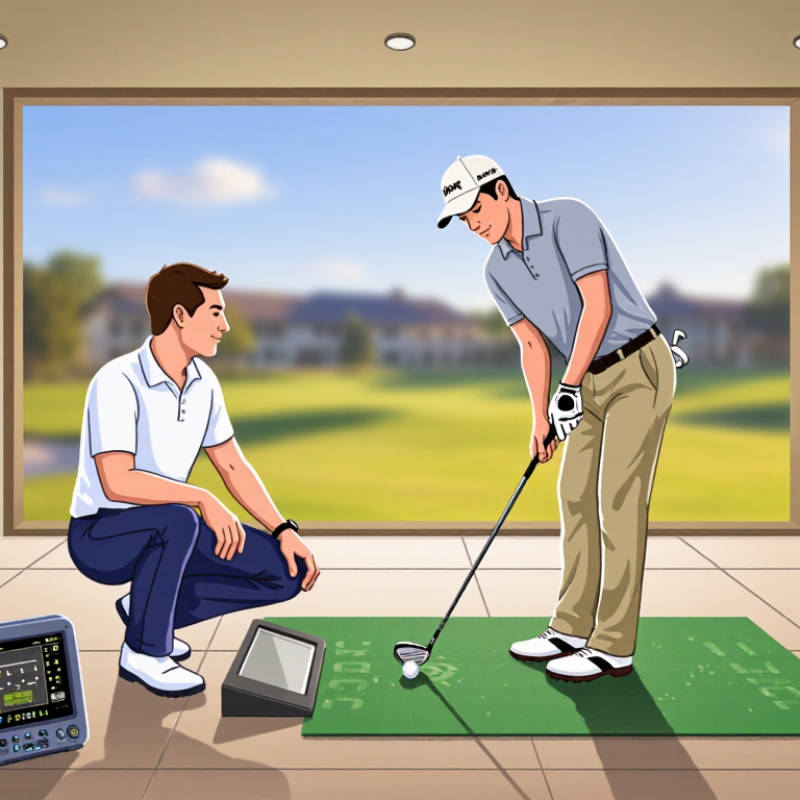
Test clubs on a launch monitor, then repeat the test outdoors. Real turf can expose problems that a mat hides. I once preferred a heavier shaft because it felt stable, yet my shots lost height and distance. The data challenged my first impression. That was useful, but not perfect. A fitting session should include several swings, because fatigue can change your tempo. Recheck your setup after lessons or major swing changes. Your ideal specifications may evolve.
Testing, Comparing, and Building Your Ideal Golf Club Set
Choosing golf clubs should begin with testing, not advertising claims. Your swing, contact pattern, and playing conditions matter more than a club’s appearance. Visit a qualified fitter with your usual golf balls and record several shots with each option. Measure carry distance, launch angle, spin rate, and dispersion. Numbers help. However, one perfect strike can mislead you.
Compare clubs across repeated swings, not just your longest shot. A slightly shorter club may produce tighter dispersion and better scoring opportunities. Test different shaft weights, flex profiles, lofts, and clubhead designs. Notice sound and feel, but do not let comfort replace evidence. I once preferred a club that felt powerful, although its misses finished well outside my target line. That was a useful correction.
Build your set around real gaps, not tradition. Check the distance between your longest iron, hybrid, fairway club, and driver. Then examine the scoring end, where wedge lofts can create awkward yardage gaps. A reliable fitting process may reveal that you need fewer clubs and more controlled options. Keep notes after each session, including wind, turf condition, and strike quality. Your first setup may be imperfect. Recheck it after several rounds, because confidence and technique can change the results. A professional fitter can interpret those patterns and adjust lie angles, shaft length, or loft settings with measured reasoning. Avoid choosing solely from launch-monitor data; course performance remains the final test.