
Choosing the right Foot Support Insoles can change how your feet feel after a long walk, work shift, or training session. However, comfort alone does not prove that an insole is suitable. A soft insert may feel pleasant in the store, yet compress quickly inside a shoe. A firm model may improve stability, but cause pressure beneath the arch. Fit matters more than marketing claims.
Podiatrist and orthotics expert Dr. Paul Langer has said, “There is no such thing as a one-size-fits-all orthotic.” That principle guides this practical introduction. The seven tips ahead examine arch support, heel cushioning, shoe compatibility, materials, activity level, break-in time, and professional advice. Each detail matters. A narrow running shoe needs a different insole than a wide work boot. Your heel should sit securely, without slipping against the shoe collar. Your toes also need room to move.
Small tests reveal useful information. Walk across a hard floor. Notice burning, sliding, or pressure near the heel. Then try the same movement with your usual shoes. Even this method has limits. Foot pain can involve tendons, joints, nerves, or footwear problems, not only inadequate support. Persistent pain deserves assessment from a qualified healthcare professional. No product can replace that evaluation.
The best Foot Support Insoles should support your routine without creating new discomfort. Consider evidence, construction, and personal fit before buying. A thoughtful choice may improve comfort, but it should never promise perfection.
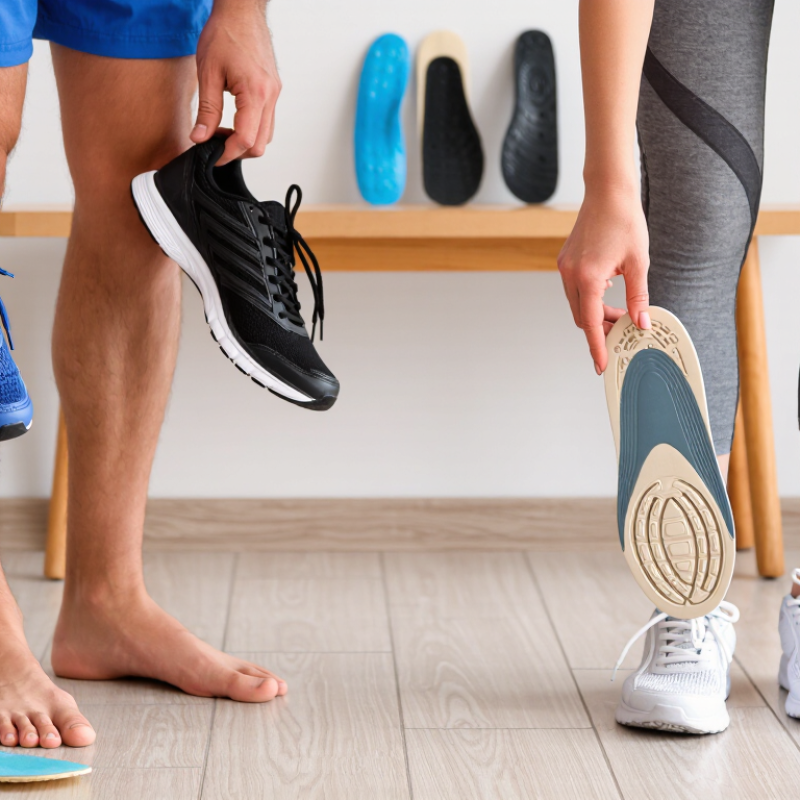
Choosing the best foot support insoles starts with identifying where discomfort appears. Heel pain after waking may suggest plantar fascia irritation, while tired arches can reflect poor load distribution. Burning under the forefoot often points to excessive pressure in that area. Notice when symptoms begin, how long they last, and which shoes trigger them. Small details matter.
Your daily routine also shapes your support needs. A person standing on hard floors may need cushioning and stable arch support. A runner may need shock absorption, but excessive softness can reduce control. I once chose a thick insole for comfort, only to discover that it crowded my toes and caused numbness. That shortcut was wrong. Check whether your heel stays seated and your toes can move freely. An insole should support your foot, not force it into a rigid position.
Look at wear patterns on your shoes. Uneven outer-edge wear may suggest a different issue from heavy wear near the big toe. However, shoe wear alone cannot diagnose gait problems. If pain persists, worsens, or affects walking, consult a qualified podiatrist or physiotherapist. People with diabetes, reduced sensation, or previous foot injuries need professional guidance before changing support. Reassess after several days, not just one walk, because your feet may need time to adapt.
The best foot support insole starts with your arch, not a product label. A low arch often benefits from stable, gently contoured support. A high arch may need cushioning and pressure distribution. A neutral arch still needs a comfortable shape. Stand barefoot and observe whether your arch stays visible, flattens, or looks unusually raised. This home check is useful, but it is not a diagnosis. A podiatrist or physical therapist can assess alignment more accurately.
Match the insole to your main activity. Walking insoles should support steady heel-to-toe movement. Running insoles need shock absorption without feeling unstable. Work shoes may require a slim design and a firm heel cup. Hiking footwear often needs moisture control and durable cushioning. Check the insole’s length, width, and arch position inside your shoe. The support should sit beneath your arch, not behind it. Too much pressure is a warning.
Begin with short wear periods. Try 30 to 60 minutes, then inspect your feet. Redness, numbness, or sharp pain means the fit needs reconsideration. Replace flattened cushioning when it no longer rebounds. I once assumed firmer support was always better; it was not. Comfort and function must agree. A properly fitted insole should feel supportive, not distracting. Remove the original liner if the shoe becomes cramped, but keep enough toe space for natural movement.
How to use this chart: Higher-impact activities create greater peak forces through the feet and may benefit from more cushioning, shock absorption, and secure heel support. Walking and everyday use generally require flexible comfort, while running and jumping often require stronger cushioning and stability.
Arch guidance: Low arches may benefit from structured support and motion control, medium arches often suit balanced cushioning and support, and high arches commonly benefit from cushioned insoles that improve pressure distribution. Choose an insole that fits your footwear without compressing the toes.
The values represent approximate peak ground-reaction force as a multiple of body weight. Actual forces vary with speed, surface, footwear, technique, and individual biomechanics.
Evaluate cushioning before chasing softness. Excessive padding can reduce ground feedback and create unstable footing. A 2014 American Podiatric Medical Association survey reported that 77% of American adults had experienced foot pain. That figure supports careful support choices, not automatic reliance on thicker foam. Press the insole with your thumb. It should compress slightly, then recover without staying flat. EVA feels light and responsive, while polyurethane usually offers denser, longer-lasting cushioning.
Materials also affect comfort and durability. Look for a supportive shell, a smooth top layer, and edges that do not rub the toes. Thermoplastic materials can improve structure, but they may feel too rigid for sensitive feet. I would test them gradually. My first fitting mistake was wearing firm insoles all day. My arches complained by evening. Stability depends on a shaped heel cup, controlled arch support, and a secure fit inside the shoe. The insole should not slide when you walk or fold near the forefoot.
Breathability deserves equal attention. Warm, damp fabric can increase friction and encourage odor. Choose perforated foam, moisture-managing textiles, or ventilated channels. The American College of Sports Medicine links moisture, friction, and foot discomfort during prolonged activity. Fit remains personal. Walk indoors for ten minutes and check for pressure points, numbness, or heel movement. Persistent pain deserves assessment from a podiatric professional, because an insole cannot correct every gait problem. Some recommendations still require more individual testing.
Choosing the best foot support insoles starts with fit, not flashy features. Measure both feet at the end of the day, when swelling is more likely. Use the larger measurement, and compare it with the insole’s sizing chart. Your heel should sit fully inside the heel cup. The arch support should touch your arch without pressing painfully.
Check your shoes before buying. Remove the original insoles if they are removable. Place the new insole inside and check the toe box, heel, and upper material. Your toes need room to move, while your heel should not lift during walking. Thick insoles may suit roomy walking shoes but crowd dress shoes. Flexible shoes may also need a thinner, more adaptable design.
Walk indoors for ten minutes. Notice pressure under the arch, slipping, rubbing, or numbness. Increase wear time slowly instead of using new insoles all day. I once chose firm support because it felt “correct,” but my heel became sore after several hours. That experience taught me to judge comfort over appearance. Inspect the edges for curling and replace worn support. Persistent pain deserves assessment from a podiatrist or qualified clinician, especially after an injury or when numbness continues.
| Tip | What to Check | How to Measure or Test | Suitable Indicators | Common Problems to Avoid |
|---|---|---|---|---|
| 1 Measure Both Feet | Foot length and width can differ between the left and right foot. | Measure both feet while standing, preferably at the end of the day when feet are often slightly larger. Select the insole size based on the larger foot. | The insole matches the larger foot without extending beyond the shoe interior. | Using the smaller foot measurement may cause pressure, crowding, or insufficient support. |
| 2 Confirm Length and Toe Room | The insole should support the heel and arch without reducing usable toe space. | Place the insole inside the shoe and check that it lies flat. Leave approximately 10–15 mm of space between the longest toe and the front of the shoe when standing. | Toes can move freely and do not touch the front of the shoe during walking. | An insole that is too long can curl at the toe or force the foot forward. |
| 3 Match the Arch Profile | Arch height and support location should correspond with the natural arch. | Stand normally with the insole in place. The arch support should contact the arch smoothly rather than pressing sharply into one small area. | Support feels evenly distributed through the arch without numbness, sharp pressure, or pinching. | A mismatched arch may create discomfort, pressure points, or altered walking mechanics. |
| 4 Check Heel Cup and Stability | A structured heel cup can help center the heel and reduce excessive side-to-side movement. | With the foot inside the shoe, check that the heel sits centered in the cup and does not lift excessively while walking. | The heel remains stable, and the rear edge of the insole does not rub the ankle or heel. | A heel cup that is too narrow, shallow, or rigid may cause rubbing or pressure. |
| 5 Verify Shoe Compatibility | Insoles differ in thickness, shape, and whether they are full-length or partial-length. | Remove the original removable liner when possible. Compare the replacement insole with the shoe’s internal length, width, heel height, and available volume. | The shoe closes normally, the foot is not raised against the upper, and the insole stays flat. | A thick insole in a low-volume shoe can cause tightness, blisters, or reduced circulation. |
| 6 Choose Appropriate Cushioning | Cushioning affects impact feel, firmness, and the amount of space inside the shoe. | Match the cushioning level to the activity and shoe. Walk for several minutes and assess comfort under the heel and forefoot. | The insole provides comfort without making the foot feel unstable or excessively elevated. | Excessively soft foam may compress over time and may feel less stable for some users. |
| 7 Review Materials and Break-In Time | Materials influence breathability, moisture management, durability, and initial comfort. | Look for breathable or moisture-managing top layers, secure construction, and clear care instructions. Increase wearing time gradually over the first several days. | The insole remains odor-controlled, intact, and comfortable without persistent rubbing or pressure. | Stop using it if pain, numbness, skin damage, or worsening symptoms develop; consult a qualified healthcare professional when necessary. |
Choosing foot support insoles should begin with comfort, not aggressive correction. Wear them indoors for 20 minutes and notice pressure around your arch, heel, and toes. Your heel should stay stable without rubbing. Your toes need room to move. A supportive insole may feel unfamiliar, but sharp pain, numbness, or burning signals a poor fit.
Test the insoles during real activities. Walk on hard floors, stand at work, and climb stairs if those movements matter daily. Check your feet after each trial. Red marks that fade quickly may be harmless, while lasting soreness deserves attention. I once kept using an insole because my arch felt “supported,” yet my knee began aching after several walks. That was a useful mistake. Comfort must include your whole movement pattern, not one area.
Monitor results for one or two weeks. Record pain levels, walking distance, and fatigue in a simple note. Improvements should feel gradual, not dramatic. If symptoms continue, consult a podiatrist or qualified health professional before changing support again. Inspect the insoles regularly for flattened cushioning, cracked material, or uneven wear. Replace them when they no longer hold their shape or when discomfort returns. Replacement timing varies with body weight, activity, moisture, and footwear. Many users need new support within six to twelve months, but visible wear matters more than a fixed date.
Presidio Golf Course
300 Finley Road @ Arguello Gate
San Francisco 94129
P: 415.561.4661
MAP IT