
Buying Outdoor Litter Bins is not merely a matter of choosing a container, colour, or price. It is a practical decision about public behaviour, hygiene, maintenance, and long-term site appearance. Keep America Beautiful’s 2020 National Litter Study estimated nearly 50 billion pieces of litter across the United States. That equals about 152 pieces per resident. The report also found that 90% of Americans consider litter a problem. Small details matter.
The U.S. Environmental Protection Agency reported 292.4 million tons of municipal solid waste generated in 2018. Public bins cannot solve every waste challenge. However, the right capacity, opening design, placement, and collection schedule can reduce overflowing waste. Jennifer Jehn, former president and chief executive of Keep America Beautiful, said, “Litter is a solvable problem.” Her statement feels optimistic, perhaps even too simple. Still, it gives buyers a useful starting point.
This guide, “10 Tips for Buying Outdoor Litter Bins,” examines the decisions behind a dependable purchase. It considers weather exposure, vandal resistance, accessibility, fire safety features, liner systems, and servicing costs. A steel bin may suit a busy transport area. A compact recycled-plastic model may work better beside a quiet walking trail. Neither choice is automatically correct. A bin that looks attractive but fills within one afternoon quickly becomes part of the problem. Site observations, waste volumes, and cleaning records should guide the final decision. Expect some trial and error. Good procurement is rarely perfect on the first attempt.
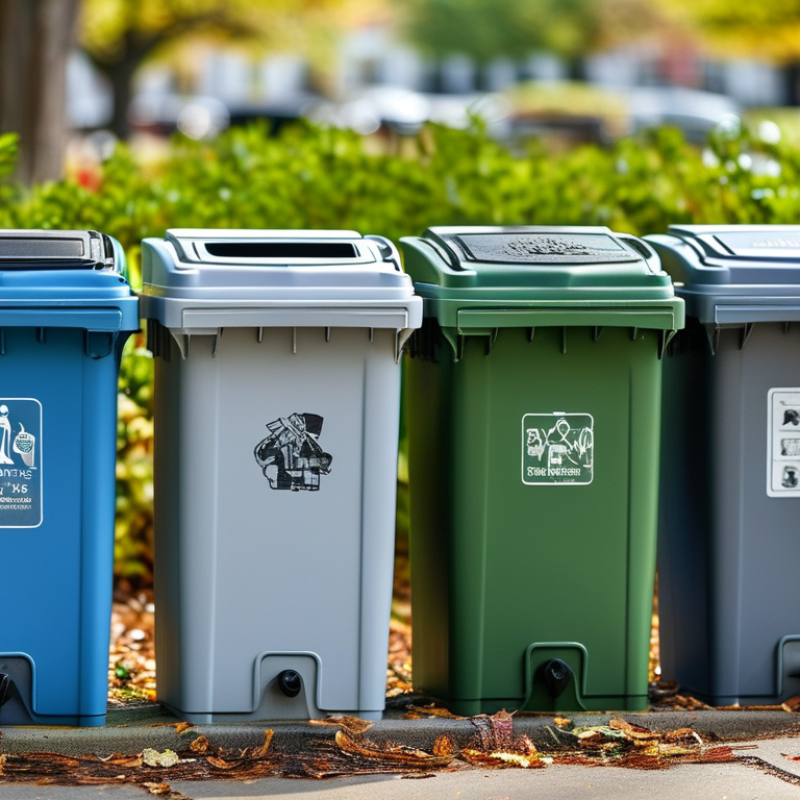
An outdoor litter bin should match the waste it will receive. A busy park entrance needs a larger capacity than a quiet garden path. Consider food packaging, drink containers, and pet waste separately. Placement matters just as much as size. Put bins near benches, picnic tables, exits, and natural walking routes. People usually discard waste when a bin is visible and within a few steps.
Tip: Watch how people move before choosing the exact location. Spend ten minutes on site during a busy period. Note where visitors pause, eat, or change direction. A bin placed beside a narrow path may create congestion. That mistake is easy to miss on a drawing. Keep access clear for collection staff, too. The surface should be stable, level, and easy to clean after rain.
Tip: Think about weather and misuse. Strong wind can move lightweight bins, while heavy rain may spread unpleasant odors from uncovered containers. Select a design with a secure opening and practical drainage. However, do not hide the bin behind shrubs or signs. Visibility encourages use. Test the height from a seated position and for children. I once assumed one location was ideal, but afternoon glare made the opening difficult to see. Small details can change performance. Recheck the site after installation.
A practical planning baseline: busier locations and sites with longer collection intervals generally require larger outdoor litter bins. Final capacity should be adjusted for local footfall, waste volume, weather, and collection frequency.
Suggested capacities range from 30 litres for low-traffic pedestrian areas to 120 litres for transport hubs and event entrances. Place bins close to natural stopping points, entrances, seating areas, and pedestrian routes.
10 Tips for Buying Outdoor Litter Bins
Size should follow foot traffic, not guesswork. The World Bank’s What a Waste 2.0 report estimates global waste could reach 3.40 billion tonnes annually by 2050. Busy transit areas need more capacity than quiet garden paths. Measure peak use near entrances, benches, food stalls, and smoking areas. A 60–90 litre bin may suit a small walkway. Large public spaces often need 120 litres or more. However, bigger is not always better. Oversized bins can look empty, invite misuse, and become difficult to move.
Capacity also depends on collection frequency. The United States Environmental Protection Agency reported 292.4 million tons of municipal solid waste in 2018. That figure shows why daily collection planning matters. Use removable liners for fast servicing. Choose a front-opening container where staff need safer access. Hooded openings help limit rain and reduce visible waste. Wide openings improve access, but they may encourage bulky dumping. Think carefully. A small opening can frustrate users with takeaway containers.
Collection style should match the waste stream. Dual compartments support separate recycling and general waste, but only with clear signs and regular monitoring. Test the bin beside real seating, not only in a catalogue image. My first capacity estimate would probably be too low during event days. That is worth checking. Record fill levels for one week, then adjust the size, number, or collection schedule. Waste audits and site observations remain more reliable than appearance alone.
| No. | Buying Tip | Recommended Specification | Practical Guidance | Best Use Case | Key Check Before Purchase |
|---|---|---|---|---|---|
| 1 | Match the Bin to Foot Traffic | 30–50 L for low traffic; 60–120 L for busy areas | Estimate daily waste volume and emptying frequency. A larger bin is not always better if collection is infrequent or the site has limited space. | Parks, sidewalks, schools, shopping areas, and transport locations | Expected users per day, current litter levels, and planned collection schedule |
| 2 | Choose a Suitable Capacity | Common outdoor capacities: 40 L, 60 L, 80 L, 120 L, and 240 L | Allow reserve capacity for peak periods, but avoid oversized containers that encourage underuse, occupy excessive space, or become difficult to service. | Small units for entrances; larger units for food courts and event spaces | Internal volume, liner dimensions, collection weight, and available footprint |
| 3 | Select the Waste Collection Style | Removable liner, front-opening door, or lift-out container | Removable liners are convenient for routine servicing. Front-opening designs can reduce lifting height, while lift-out containers may suit high-volume collection routes. | Choose according to staff workflow and collection equipment | Access clearance, liner compatibility, lifting effort, and spill control |
| 4 | Consider the Opening Design | Open top, hooded opening, or restricted aperture | Open tops provide fast disposal but can admit rain. Hooded or restricted openings help reduce wind-blown litter, rainwater, and oversized items. | Open tops for high throughput; covered openings for exposed outdoor sites | Opening size, drainage, ease of use, and suitability for the waste stream |
| 5 | Use Durable, Weather-Resistant Materials | Powder-coated steel, galvanized steel, stainless steel, or UV-stabilized plastic | Material choice should reflect moisture, salt exposure, sunlight, impact risk, and cleaning chemicals. Corrosion-resistant finishes extend service life. | Coastal, high-traffic, wet, or highly exposed environments | Corrosion protection, UV resistance, coating thickness, and repair options |
| 6 | Check Stability and Anchoring | Weighted base or bolt-down fixing points | Freestanding units are easier to relocate, while anchored bins provide better resistance to wind, accidental impact, and unauthorized movement. | Open plazas, exposed paths, car parks, and windy locations | Base weight, fixing method, ground type, and installation access |
| 7 | Plan for Recycling Separation | Separate compartments or clearly labeled individual bins | Separation works best when openings, labels, and colors clearly match the accepted waste categories in the local collection system. | Campuses, offices, public venues, and managed residential areas | Local recycling rules, contamination risk, compartment capacity, and signage |
| 8 | Prioritize Safe and Accessible Use | Stable, smooth-edged design with reachable openings | The opening should be easy to identify and reach without excessive force. Placement should preserve clear pedestrian paths and avoid trip hazards. | Public routes, healthcare sites, schools, and inclusive environments | Reach range, opening force, edge safety, visibility, and local accessibility requirements |
| 9 | Evaluate Cleaning and Maintenance | Smooth surfaces, removable liners, drainage, and replaceable parts | Simple access reduces servicing time and helps prevent odors, liquid buildup, pests, and corrosion. | Locations requiring frequent washing or intensive daily service | Wash-down access, drain holes, spare parts, liner availability, and warranty terms |
| 10 | Review Security, Fire, and Local Requirements | Lockable access where needed; fire-resistant construction when specified | Security features can limit unauthorized access, while fire performance may be important near buildings, transit areas, and high-risk sites. | Transport hubs, commercial properties, public facilities, and sensitive sites | Municipal waste rules, fire-safety requirements, locking method, inspection needs, and installation permits |
Material choice affects cleaning, lifespan, appearance, and replacement costs. Steel offers strong impact resistance, but untreated surfaces can rust quickly. Galvanized steel performs better outdoors because its protective coating slows corrosion. Stainless steel resists rain and salt air, although its higher price may not suit every site. Aluminum is lighter and naturally corrosion resistant, but it can dent more easily.
Plastic bins made from UV-stabilized HDPE handle moisture well and will not rust. However, direct sunlight can fade or weaken poor-quality plastic. Check the stated UV protection, wall thickness, and temperature range. In cold regions, inspect the material’s resistance to cracking during freeze-thaw cycles. Wood can look welcoming, but it needs sealing and regular inspection. It often demands more maintenance than expected.
Durability depends on more than the shell. Look for reinforced rims, secure hinges, drainage holes, and replaceable liners. Check the base for solid anchoring points, especially in windy public areas.
I used to focus too much on appearance. That was a mistake. A beautiful bin with blocked drainage can deteriorate quickly. Salt, standing water, and grit often cause damage before age does. Compare warranties carefully, but still examine real construction details. A long warranty cannot fix an unsuitable material.
Check the joints.
A good bin should control odors, protect users, and support quick servicing. Check whether the body accepts removable, leak-resistant liners. Smooth interiors reduce residue and make washing easier. Choose covered openings to limit rain, flies, and windblown waste. A foot pedal can improve hygiene by keeping hands away from the lid. It must still operate quietly and reliably after heavy daily use. Ask for corrosion-resistant materials, sealed joints, and drainage that prevents dirty water from pooling. Avoid designs with deep, unreachable corners. Small gaps become unpleasant surprises.
Security needs equal attention. Select a unit with a stable base or anchor points for exposed locations. A lockable service door can discourage tampering, but it should not slow authorized collection. Check that hinges, bolts, and pedals can be replaced. Accessibility is more than a low opening. Keep the deposit point within comfortable reach for wheelchair users and children, while preventing pets from reaching inside. Use clear opening shapes and strong visual contrast. Place bins beside pedestrian routes, not across them. Maintain enough clearance for turning and passing. Measure the location before ordering; photographs often hide awkward slopes.
Maintenance costs appear after installation. Request cleaning instructions, spare-part availability, and a realistic emptying schedule. Choose liners that fit without folding over the rim. Overfilled bins attract pests and create unstable waste piles. Inspect weekly at busy sites, then adjust the schedule from actual usage. A larger bin is not always better; it may encourage longer collection intervals. I would test one unit on site before buying many. That small trial can expose odors, awkward access, or weak hinges. No specification sheet captures every daily inconvenience.
Check Installation Requirements, Costs, and Long-Term Value
Choose the bin location before choosing its appearance. Measure pavement width, service access, drainage, and clearance around doors. Confirm local anchoring, fire-safety, accessibility, and waste-collection requirements. A beautiful bin can still fail if trucks cannot reach it. Select weather-resistant materials, secure lids, smooth interiors, and replaceable liners. Check vandal-resistant fixings and the manufacturer’s cleaning guidance. Do not ignore wind exposure.
Keep America Beautiful’s 2020 National Litter Study estimated nearly 50 billion litter items across the United States. That figure makes capacity and collection frequency practical purchasing issues. Compare 60-, 90-, and 120-litre options against observed foot traffic. Record overflow, contamination, and emptying times for two weeks. Small details matter. Use those observations to estimate labour, transport, liners, repairs, and disposal costs. Request at least three comparable quotations, including delivery and installation.
Consider whole-life value, not only the purchase price. The United Nations Environment Programme’s Global Waste Management Outlook 2024 projects municipal solid waste could rise from 2.3 billion tonnes in 2023 to 3.8 billion tonnes by 2050. Durable bins may reduce replacement demand, but durability claims need evidence. Ask for corrosion testing, warranty limits, spare-part availability, and expected service life. Recycled content is useful, yet it does not automatically prove sustainability. Review actual maintenance records when possible. My own purchasing mistake was underestimating hinge repairs; the cheapest option became inconvenient within one season.
Presidio Golf Course
300 Finley Road @ Arguello Gate
San Francisco 94129
P: 415.561.4661
MAP IT